
Published · Kuohai Editorial
Draw the fan and collector in order
An induced-draft layout commonly draws air through the collector with a downstream fan. An upstream fan can push gas into a collector. Mark the expected static pressure relative to ambient at the housing, upstream duct and discharge in each proposed arrangement.
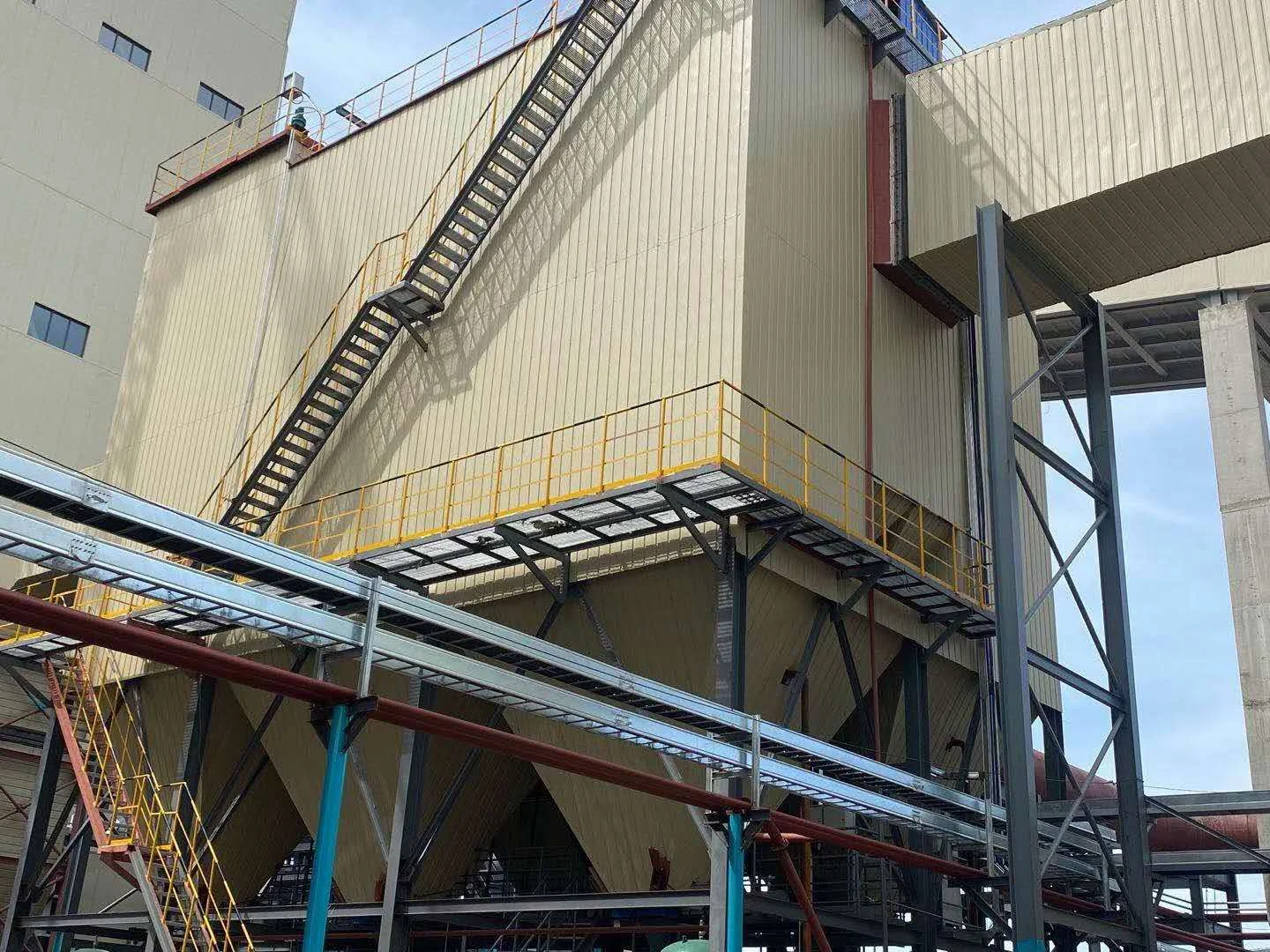
Compare what a leak can do
A leak at a negative-pressure section can draw ambient air inward. A leak at a positive-pressure section can discharge process gas outward. Identify the gas and dust conditions at each possible leak location, including around the hopper discharge and access doors.

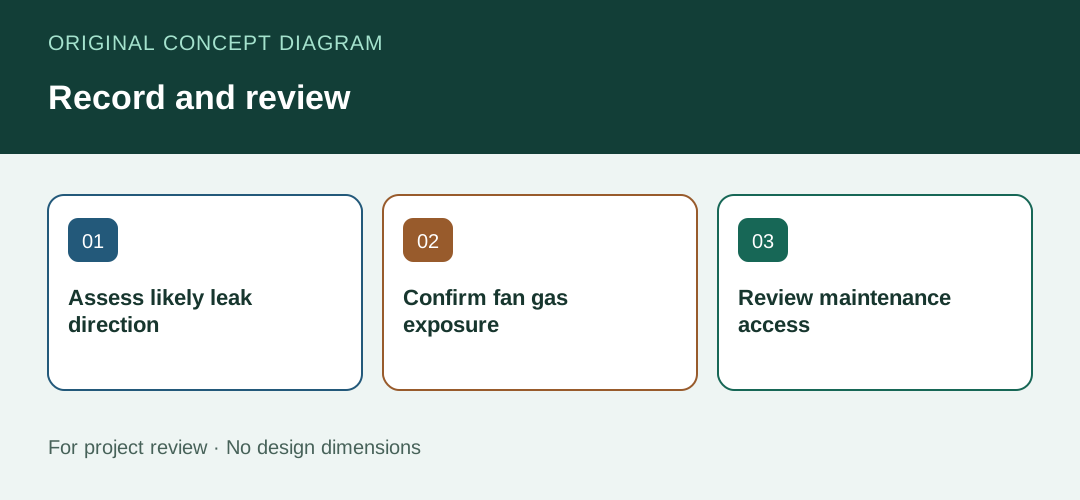
Specify fan exposure and maintenance access
State whether the fan sees incoming dust or filtered gas, and include the relevant temperature and loading conditions in the enquiry. Review where the fan, dampers and collector can be reached and isolated. Treat changes in fan position as a system design change with corresponding review of casing pressure and interfaces.
FAQ: Does placing the fan downstream prevent all dust leaks?
A downstream fan changes the pressure pattern. The installed system still needs verified seals and the specified outlet monitoring, because leak direction and effects depend on location and operating state.
Technical sources and editorial note
Diagrams illustrate review steps. Archive photos show the identified components or equipment exterior.
- US EPA · Air Pollution Control Cost Manual, Baghouses and Filters
- Kuohai archive · Selecting a collector for the operating conditions
Related equipment: Pulse jet baghouse dust collectors · Dust collector filter bags
Use this guide to prepare for an equipment discussion. Confirm selection and operating requirements against your actual process and site conditions.