
Published · Kuohai Editorial
Start with the filling process
A silo vent filter enquiry should describe the filling process before naming a filter size. WAMGROUP describes silo vent filtration for pneumatically filled silos, with compressed-air cleaning of the filter elements [1]. Use that operating context to define the enquiry: what material enters the silo, how it is conveyed and which filling modes the proposed filter must cover.
Request airflow on an agreed basis
Ask the conveying-equipment supplier for air-flow data at the relevant operating conditions and clarify whether the values are measured, calculated or estimated. Record the units and reference conditions. List any simultaneous filling connections and the operating combinations to be assessed. A solids delivery rate alone is not a complete filter selection sheet; ask the filter supplier to state how it has established the design airflow.
Describe the material and site conditions
Provide the available material identification, particle-size information, moisture observations and filling-temperature range. Note any information still missing rather than assigning generic values. Ask the supplier to explain the proposed filter element and cleaning arrangement for those conditions. This is a project data request, not a claim that every silo can use the same element, pressure setting or cleaning cycle.
Confirm the mounting and system boundaries
Include the silo-top connection drawing, available mounting space, support interface and the intended clean-air outlet arrangement. Request a drawing showing the filter, service openings and adjacent equipment. Have the project designer identify the silo pressure-protection and filling-control functions separately; do not assume that a filter quotation includes every silo component. Agree which party supplies instruments, controls, electrical work and installation details.
Check access before accepting the arrangement
On the layout drawing, ask the supplier to mark the space needed to open covers, remove filter elements and reach valves and controls. Compare that requirement with platforms, handrails and neighboring structures. Request the specified compressed-air supply conditions and maintenance instructions for the proposed unit. Record the documents and checks required at handover so later service does not depend on an undocumented equipment assumption.
FAQ: Can silo capacity determine the filter size?
Silo volume is useful context, but a quotation should also explain the filling-air basis, material conditions and proposed filtration arrangement. If that information is absent, ask for it before treating two offers as equivalent. State each operating case that the supplier is expected to cover.
FAQ: What should accompany a request for quotation?
Send the filling-system description, airflow data and its basis, material information, mounting drawing, access constraints and requested supply boundary. Ask for a list of assumptions and exclusions in return. Compare proposals on the same completed data sheet, then resolve missing inputs with the responsible supplier or project designer.
Technical sources and editorial note
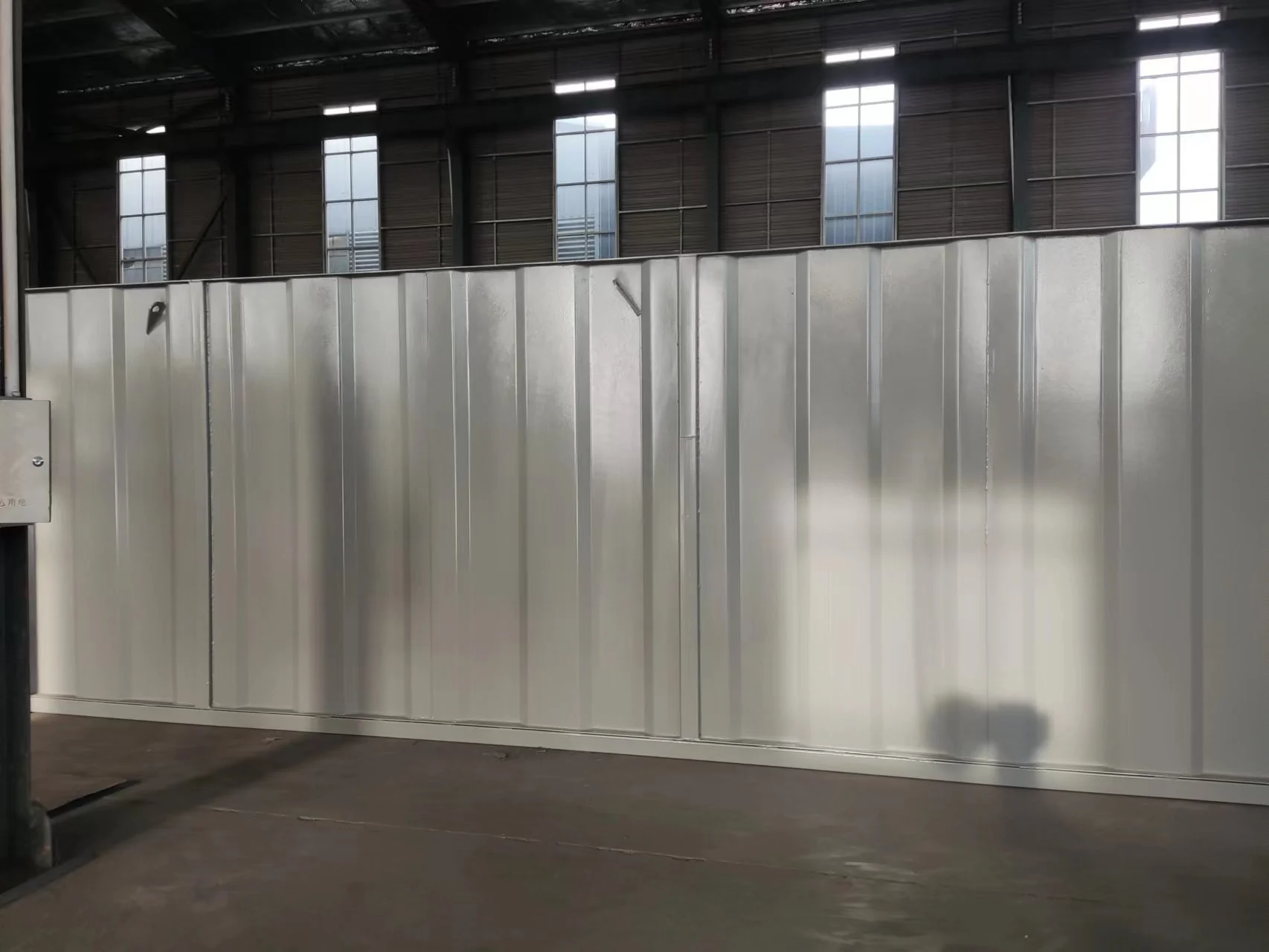
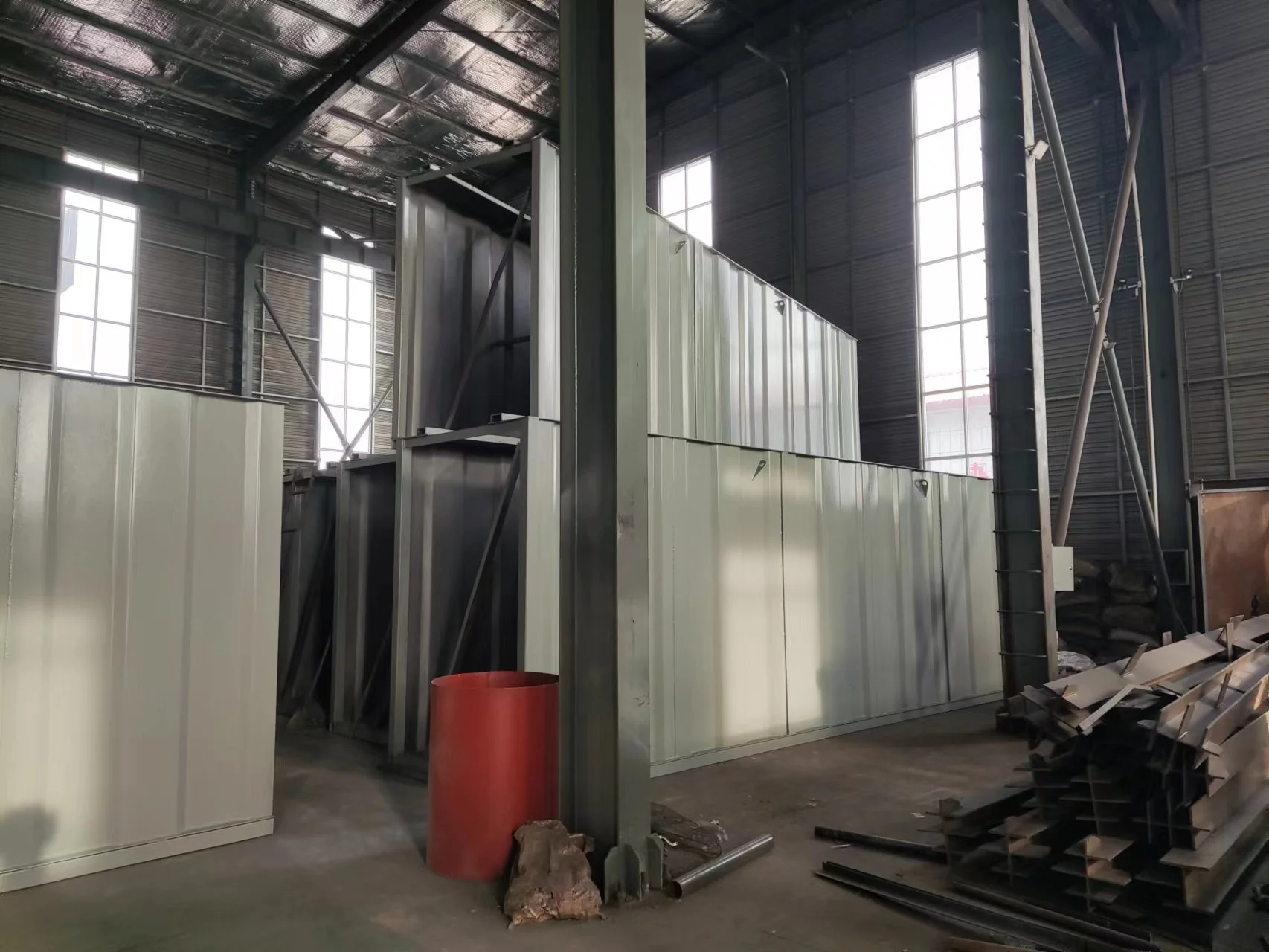
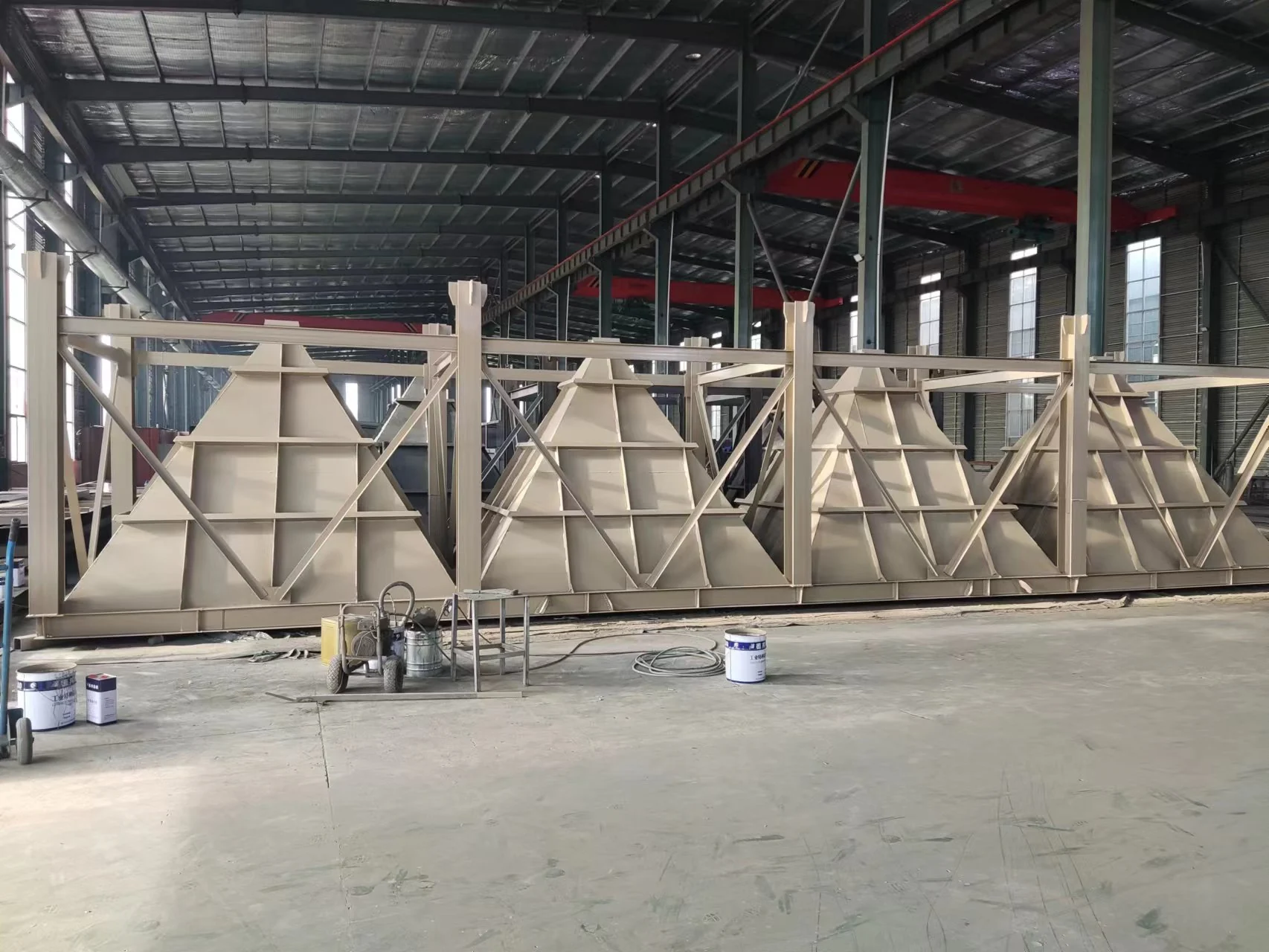
Independently written selection guidance. The user-selected Kuohai news archive informed topic selection; its linked silo article could not be retrieved and is not used as technical evidence. WAMGROUP supports the operating context in the first section; the enquiry and layout checks are editorial recommendations. Photos are existing equipment references, not performance guarantees. Reviewed 31 October 2026.
- [1] WAMGROUP — Silo venting filters for pneumatic filling (11 March 2021)
- [2] Kuohai — User-selected news archive (topic reference only)
Related equipment: Pulse jet baghouse dust collectors · Dust collector filter bags
Use this guide to prepare for an equipment discussion. Confirm selection and operating requirements against your actual process and site conditions.