
Published · Kuohai Editorial
Define what the comparison includes
The Kuohai performance article includes energy among the review dimensions [1]. DOE notes that variable fan operation cannot be represented reliably by a single observation [2]. For a dust collection review, first list which loads the report includes: the extraction fan, cleaning air, discharge equipment and any auxiliary heating. Keep excluded loads visible.
Use measured input rather than a nameplate shortcut
Our recommended worksheet records the meter location, equipment identifier, instrument and time interval. Distinguish actual electrical energy from rated motor power and from a current reading. If a value is estimated, label the method and missing inputs. Do not combine an estimate for one system with a measured result for another without explaining the difference.
Link the record to production
Record operating hours and the process states covered by the readings, including idle periods and changes in filter condition. Use a production denominator only when its quantity and period are documented. A lower total kWh can simply reflect fewer running hours; compare the operating basis before attributing the change to equipment efficiency.

Keep performance obligations beside energy figures
An energy proposal should identify the required dust capture and filtration duty as well as the measurement boundary. Ask what evidence will show that those requirements remain satisfied. Agree the comparison period before the change, retain the original readings and explain any production differences in the final report. No generic saving percentage follows from this checklist.
FAQ: Is motor nameplate power the energy used?
No. A nameplate value and the electrical energy consumed during an identified period are different records.
FAQ: Is lower kWh always an improvement?
Only a matched comparison can support that conclusion. Check operating time, production and the required collection duty.
Technical sources and editorial note
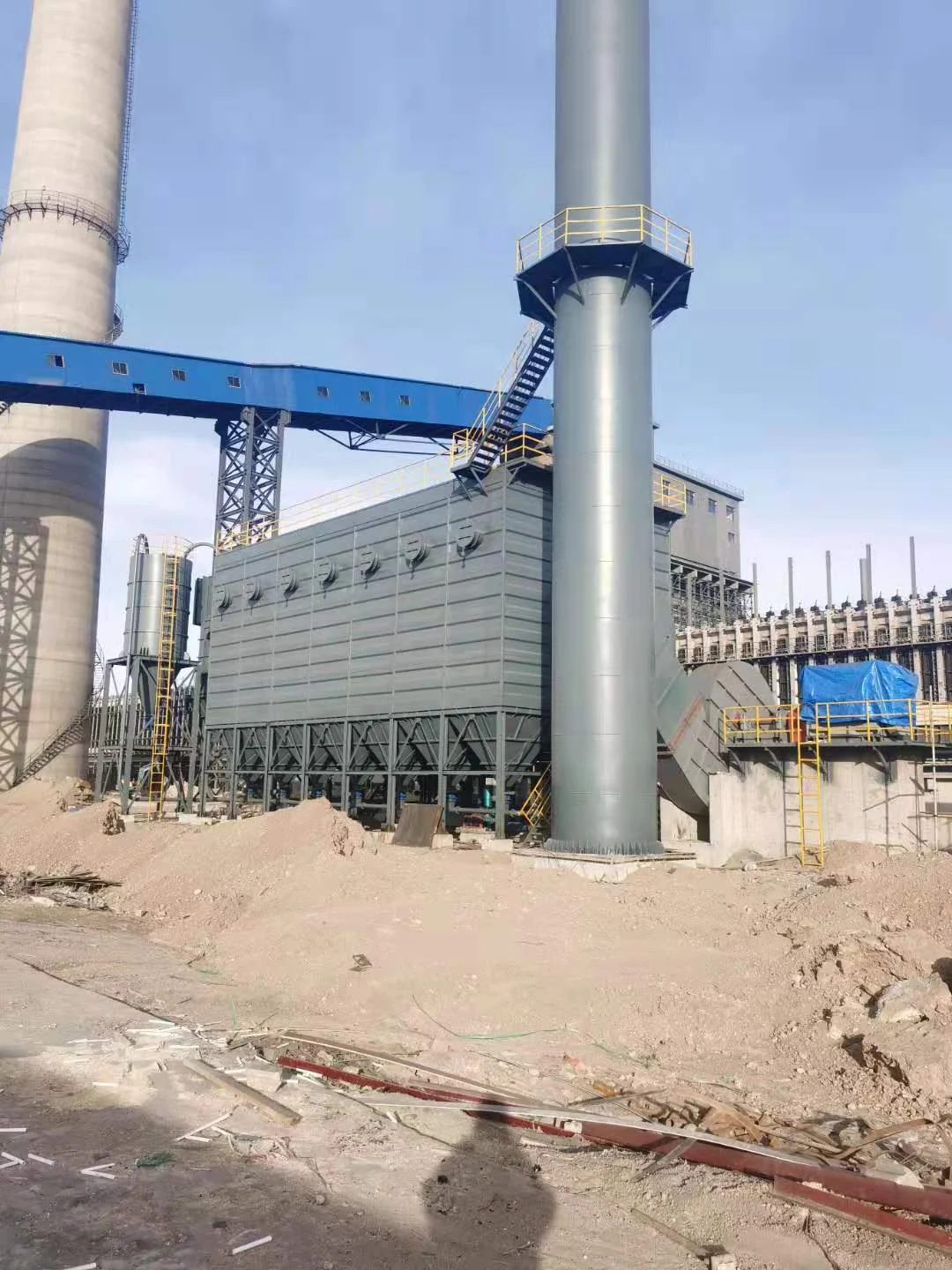
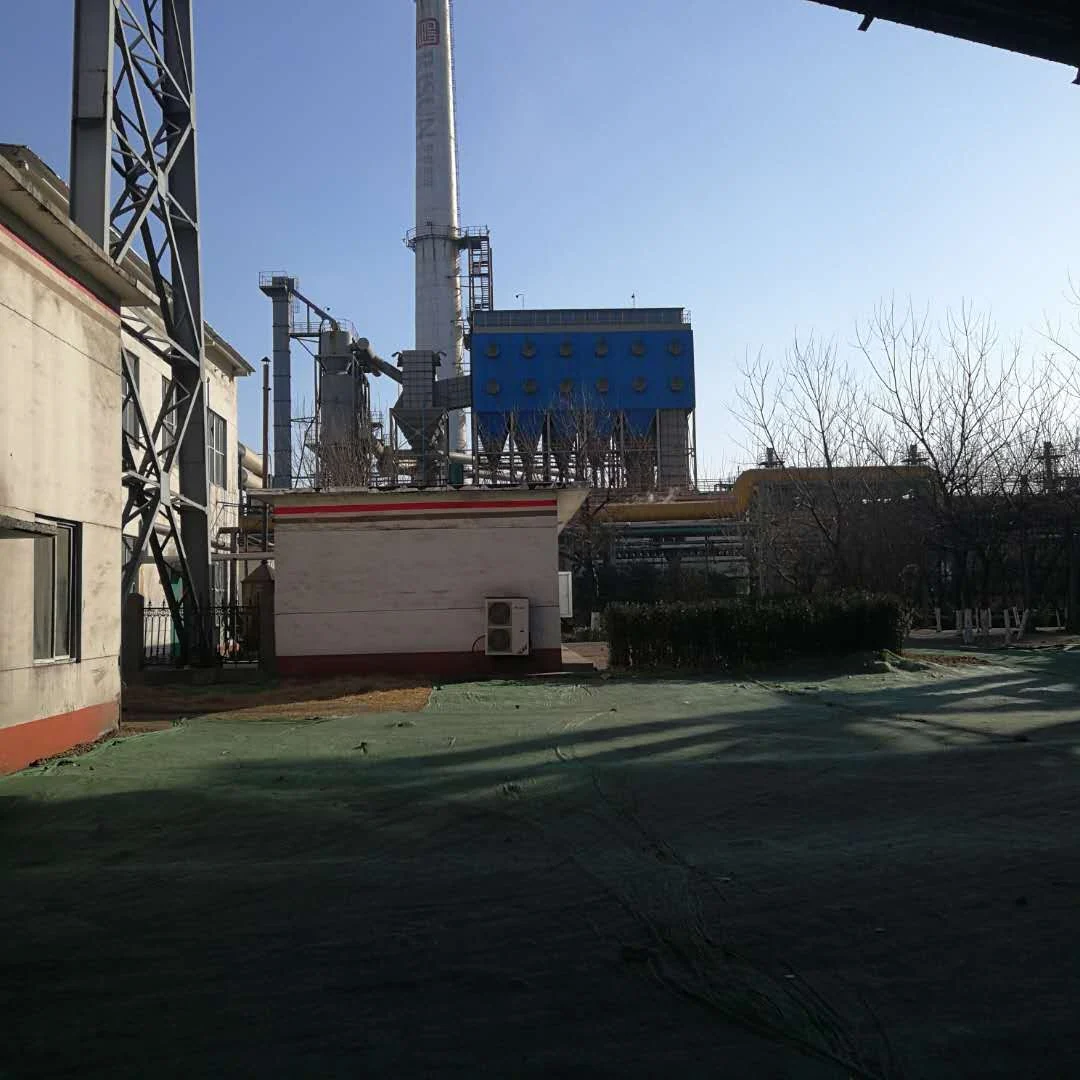
Independently written guide. Technical background is attributed above; the proposed review and record-keeping steps are editorial recommendations. Photographs are contextual equipment examples. Sources reviewed 4 November 2026.
- [1] Kuohai — Assessing dust collector performance (24 September 2023)
- [2] US DOE — Improving Fan System Performance: A Sourcebook for Industry
Related equipment: Pulse jet baghouse dust collectors · Dust collector filter bags
Use this guide to prepare for an equipment discussion. Confirm selection and operating requirements against your actual process and site conditions.