
Published · Kuohai Editorial
Main point
Moisture review needs both process information and operating context. Calling a dust dry does not describe the humidity or possible temperature changes of the gas carrying it.
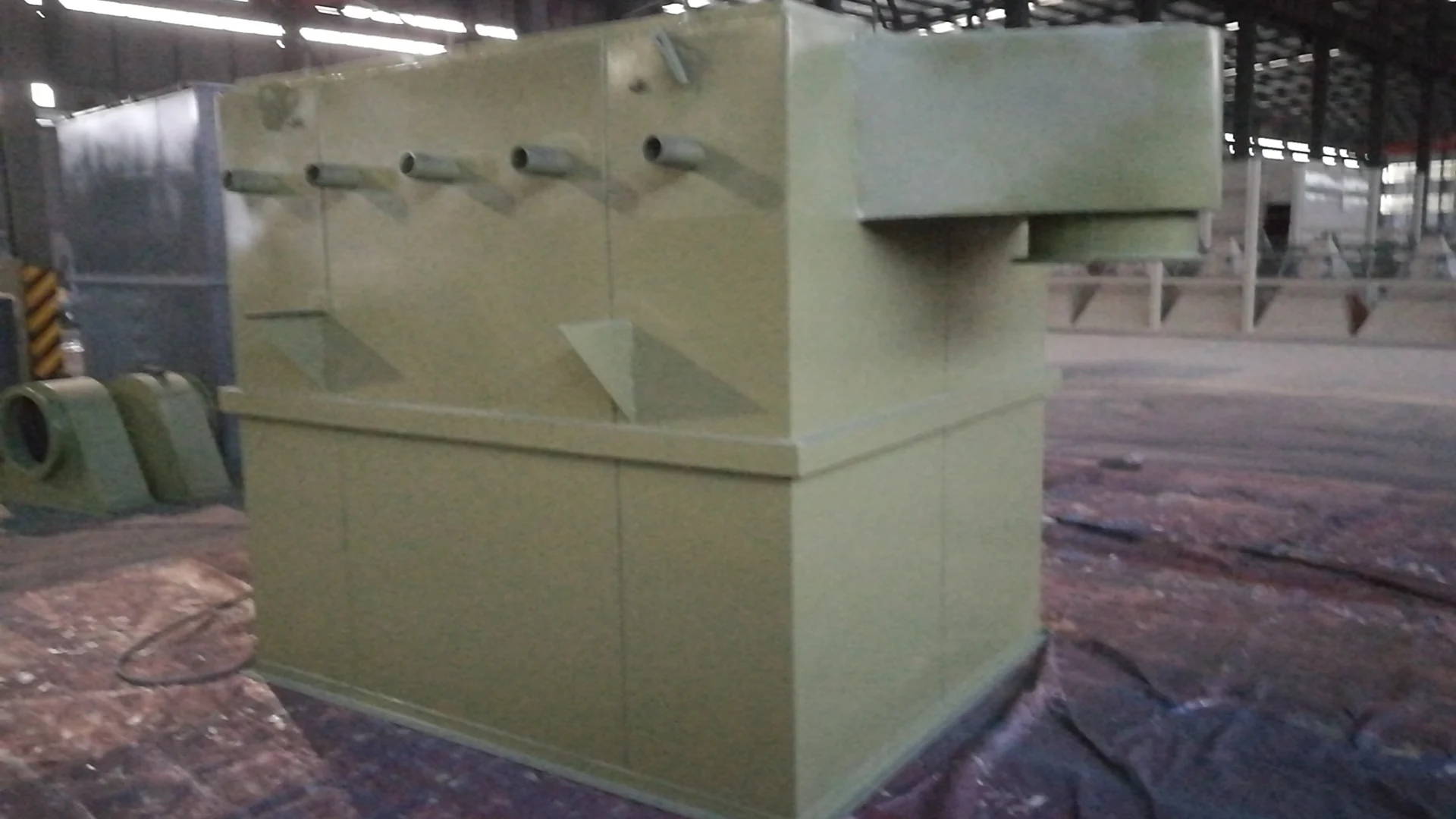
Information to record
Provide available gas moisture information, inlet temperature history and periods when production stops or materials change. Record where wet deposits are observed and whether the observation repeats. Separate laboratory material data from observations made inside the extraction system.
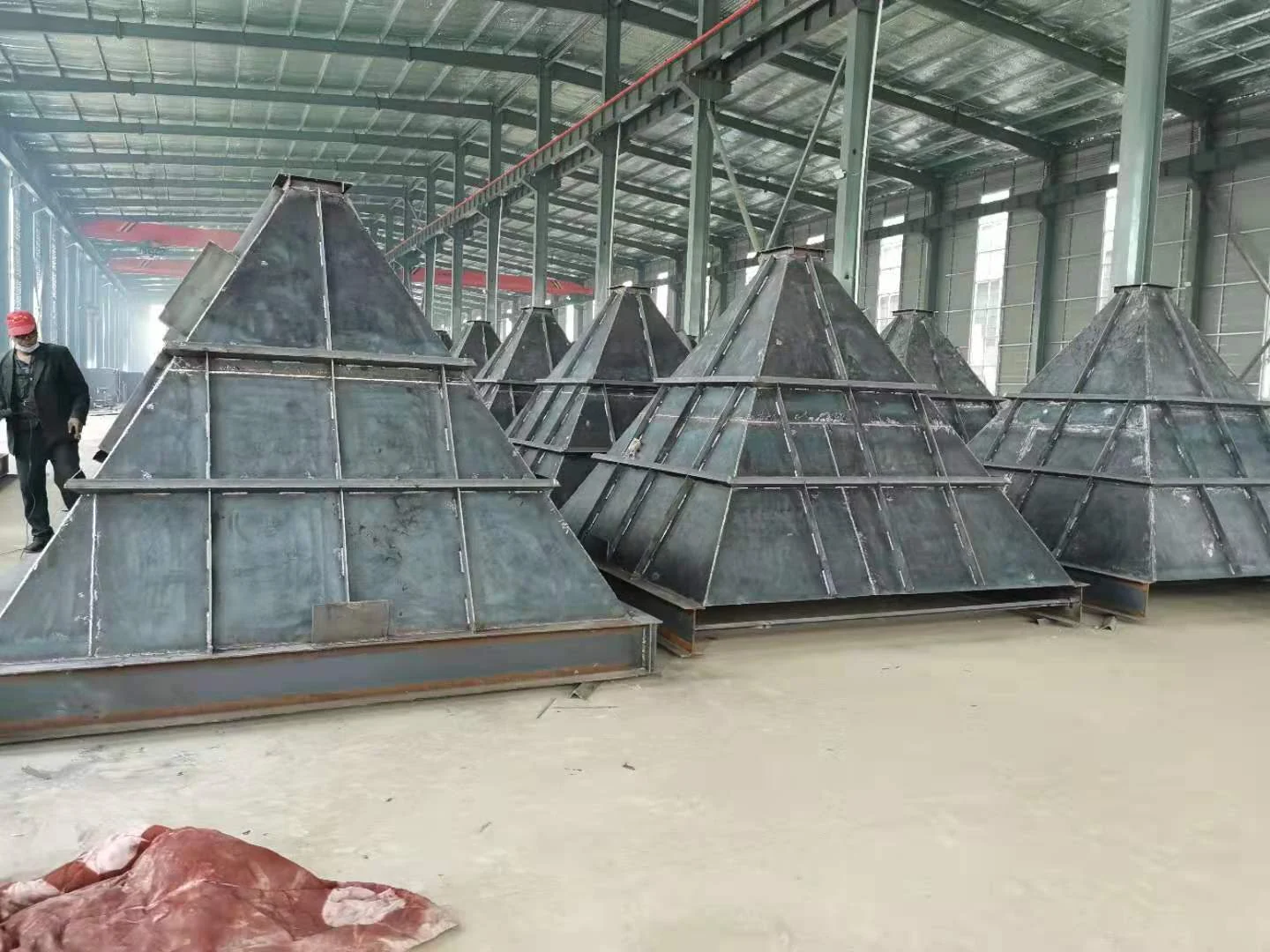
Review and acceptance
Ask the supplier to review the complete gas and material conditions before recommending media or conditioning provisions. Define the information still needed and who will obtain it. A proposed change should have a documented operating basis and a plan for checking the result.
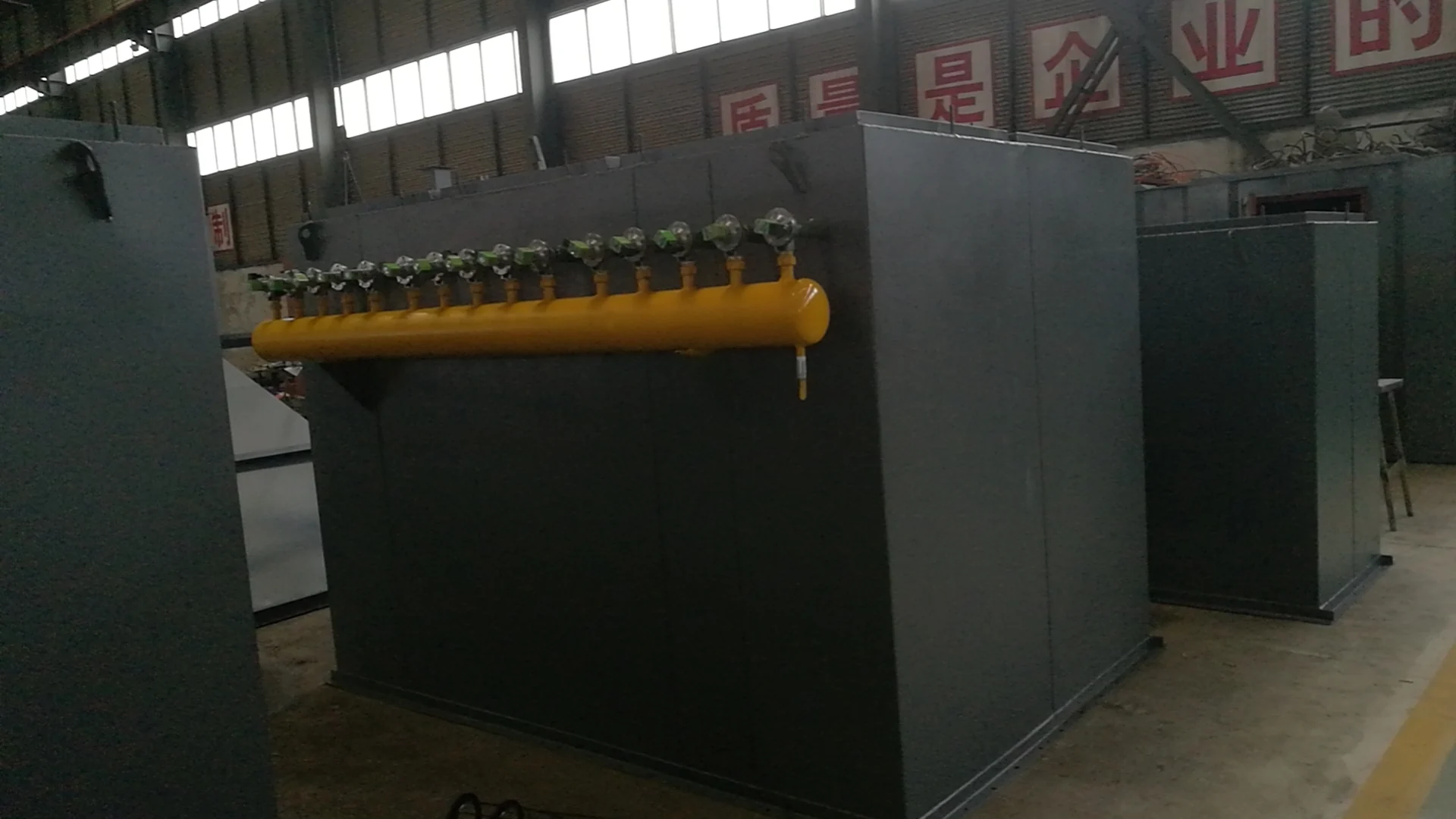
FAQ: Does a water-resistant fabric solve every moisture problem?
No. Review the process and complete equipment arrangement as well as the proposed media.
FAQ: Should startup conditions be included?
Include relevant startup and intermittent cases instead of reporting only steady production.
Technical sources and editorial note
Independently written from the archived topic in [1], with related engineering context checked against [2]. The survey, purchasing and review steps are editorial guidance; project-specific requirements need confirmation. Existing photographs are equipment references. Editorial review updated 1 November 2026.
- [1] Kuohai — Archived technical article, 2022-07-14
- [2] Donaldson — Filter media and application conditions
Related equipment: Pulse jet baghouse dust collectors · Dust collector filter bags
Use this guide to prepare for an equipment discussion. Confirm selection and operating requirements against your actual process and site conditions.