

Published · Kuohai Editorial
Check the complete valve model
Record the valve model and suffix, along with the valve body and coil nameplates. Compare the inlet and outlet, mounting arrangement, pilot configuration and coil voltage and AC/DC type against the documentation for the installed unit.
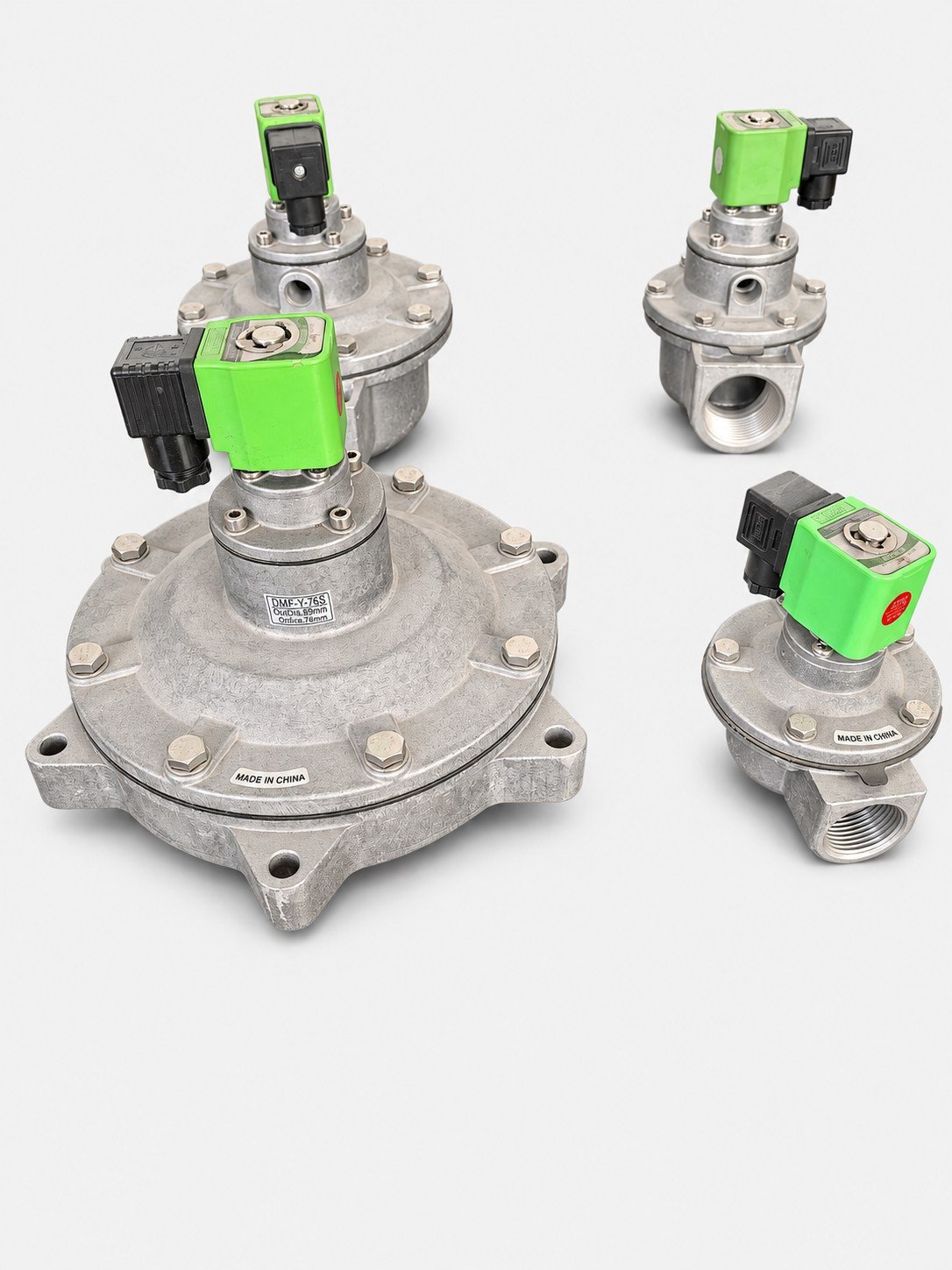
Match the diaphragm kit
Use the complete valve model to find the kit number in the manufacturer’s parts list. Compare the mounting holes, centre plate and bleed-hole layout with the drawing and the original part. Confirm whether the kit includes any required pilot diaphragm, spring or seal.
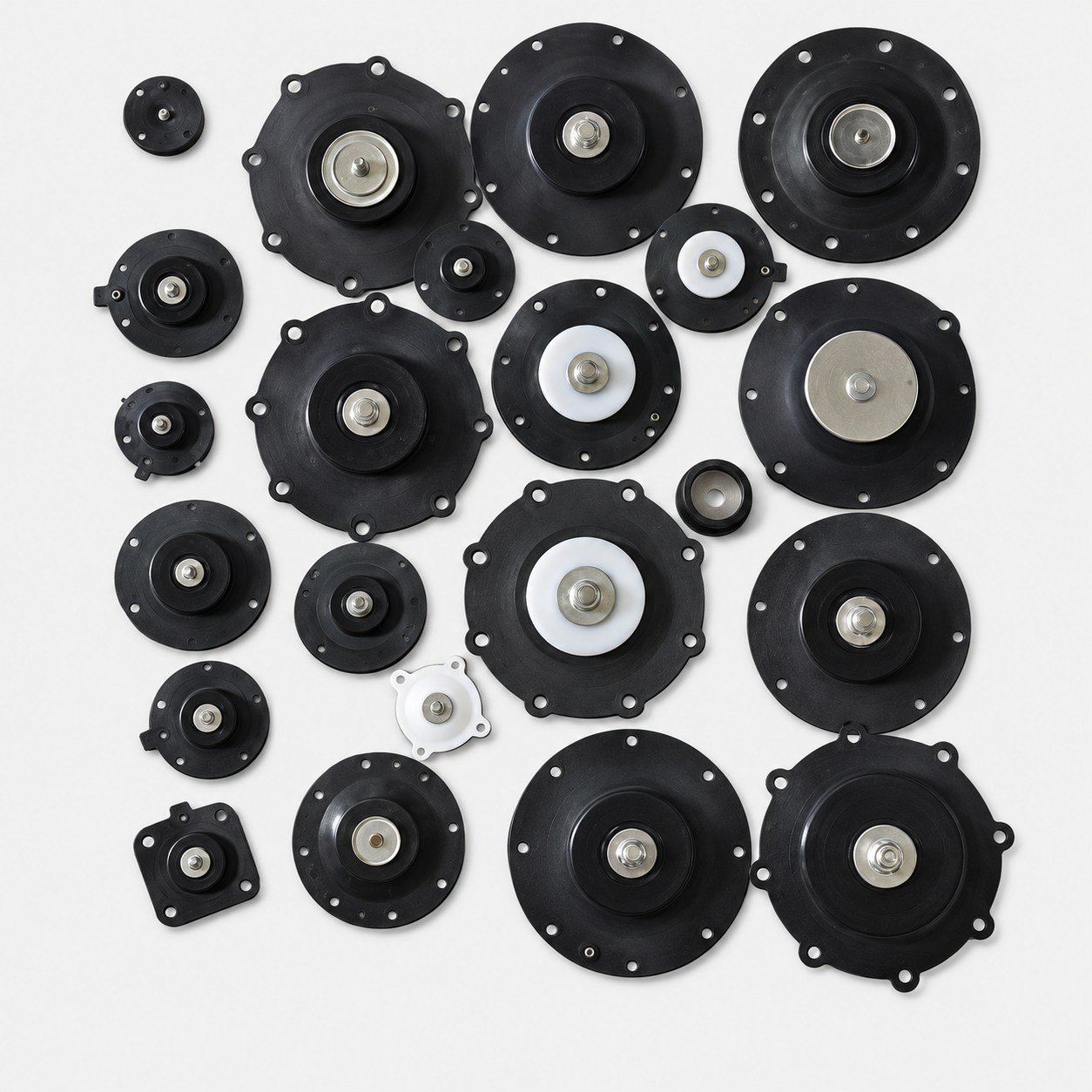
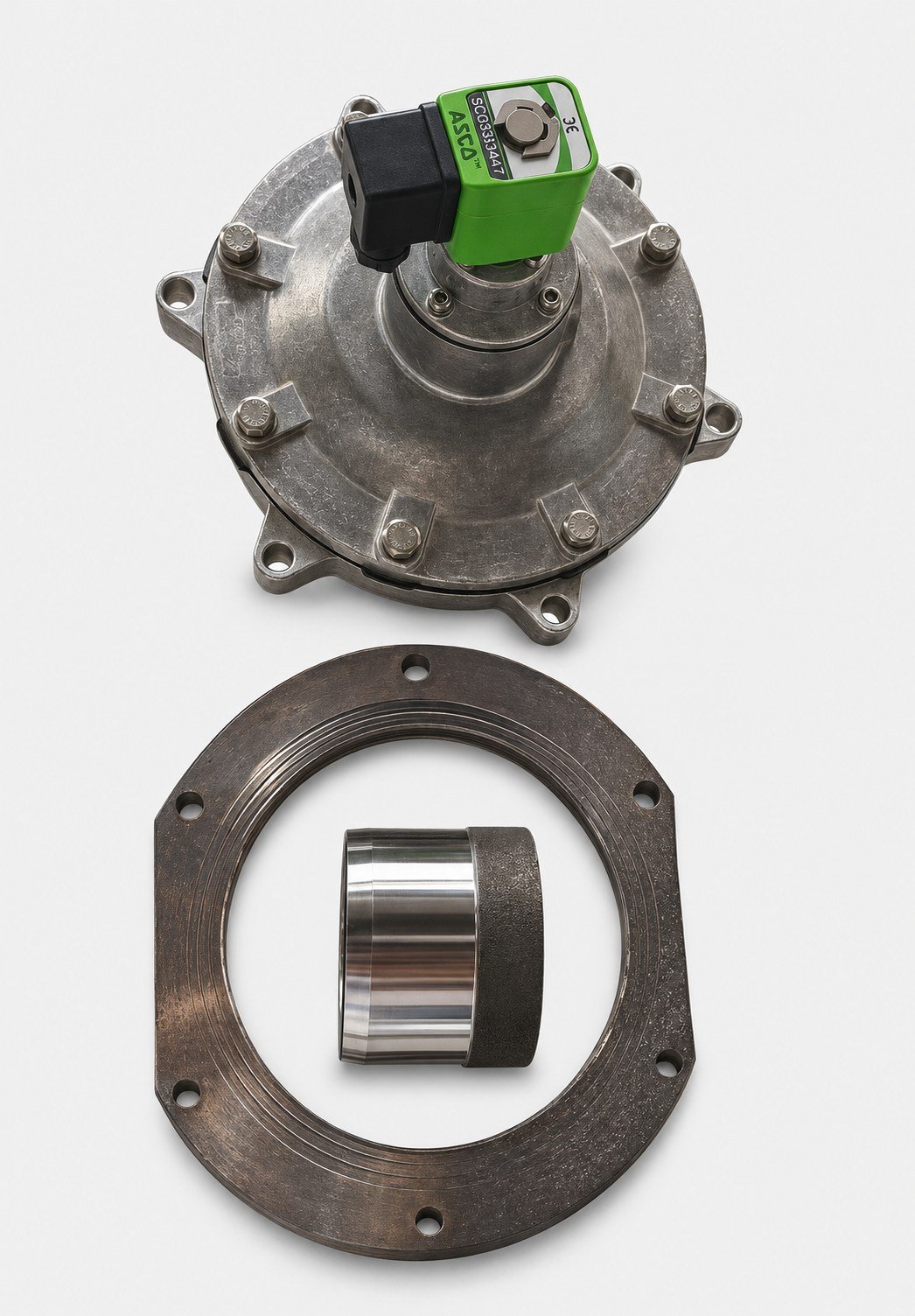
Measure the flange and sleeve
Record the manifold-side and blowpipe-side connections separately. For a flange or sleeve, provide the mating diameter, bolt pattern, sealing surface and applicable insertion depth. A photo of the installed assembly helps document access and orientation.
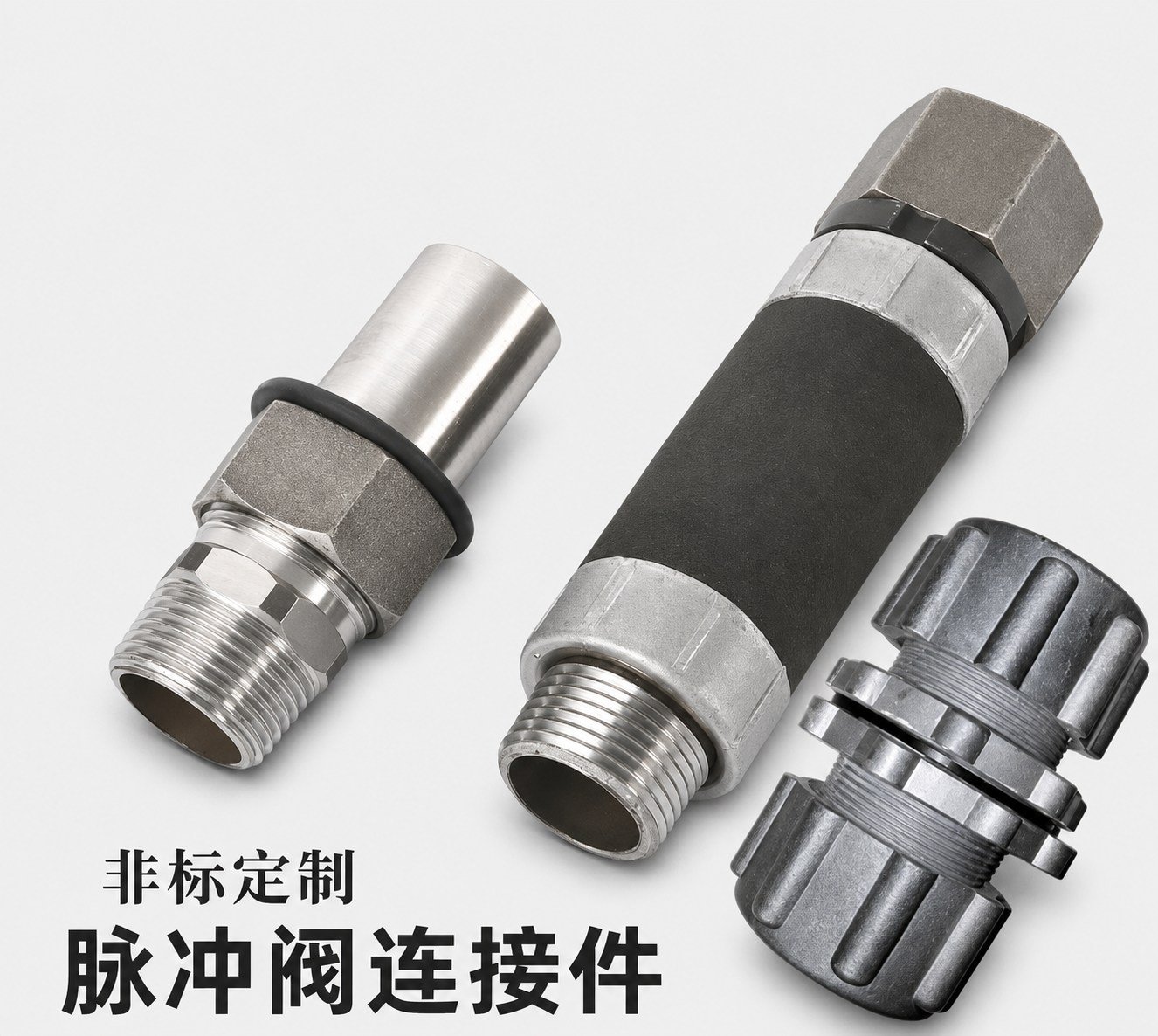
Specify both ends of the fitting
For a threaded fitting, specify the thread form, nominal size, pitch and sealing method on each end. For a sleeve or non-standard adapter, provide the mating dimensions, available length and material requirements. Review a dimensioned drawing before ordering.
Confirm what needs replacement
For weak pulses or continuous leakage, have maintenance staff locate the fault before ordering a kit or complete valve. Follow the equipment manual and site isolation and depressurization procedures before inspection. List the valve position, model, symptoms, connection dimensions and quantity for each item.
Technical sources and editorial note
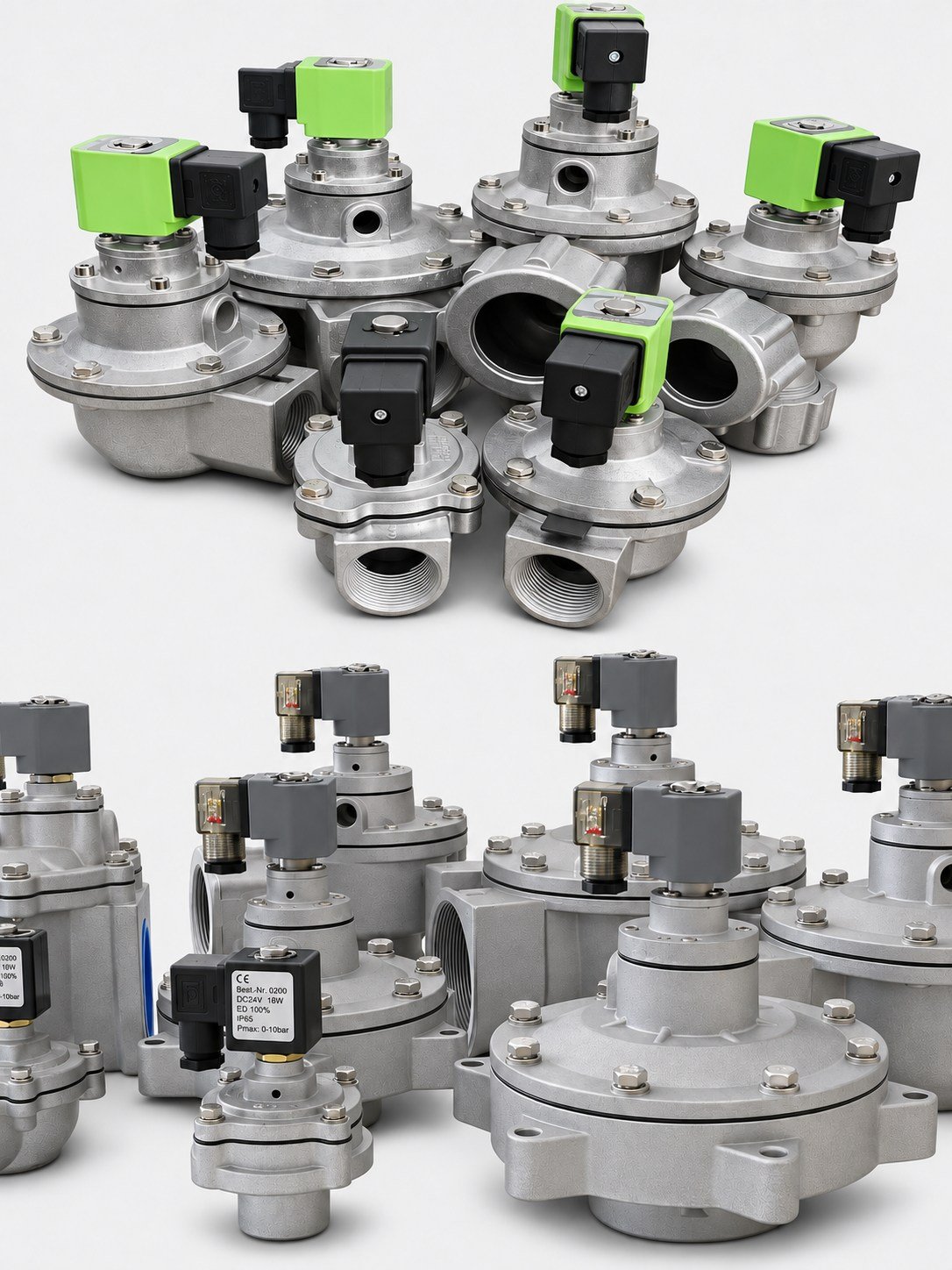
The sources below cover specific equipment families. The supplied images were retouched for visual reference. Verify part numbers, hole patterns and dimensions against original records or measurements.
- Emerson ASCO — Series 353 pulse valve installation and maintenance
- Donaldson — FS and FT pulse-jet filter installation and operation manual
Related equipment: Pulse jet baghouse dust collectors · Dust collector filter bags
Use this guide to prepare for an equipment discussion. Confirm selection and operating requirements against your actual process and site conditions.