
Published · Kuohai Editorial
Start with evidence, not a material name
Before ordering replacement baghouse filter bags, prepare a location map, photographs and a record of the installed media. The reference article groups possible problems around filtration velocity, dust characteristics and temperature [1]. Those headings are a starting point for questions, not a diagnosis of a particular failed bag.
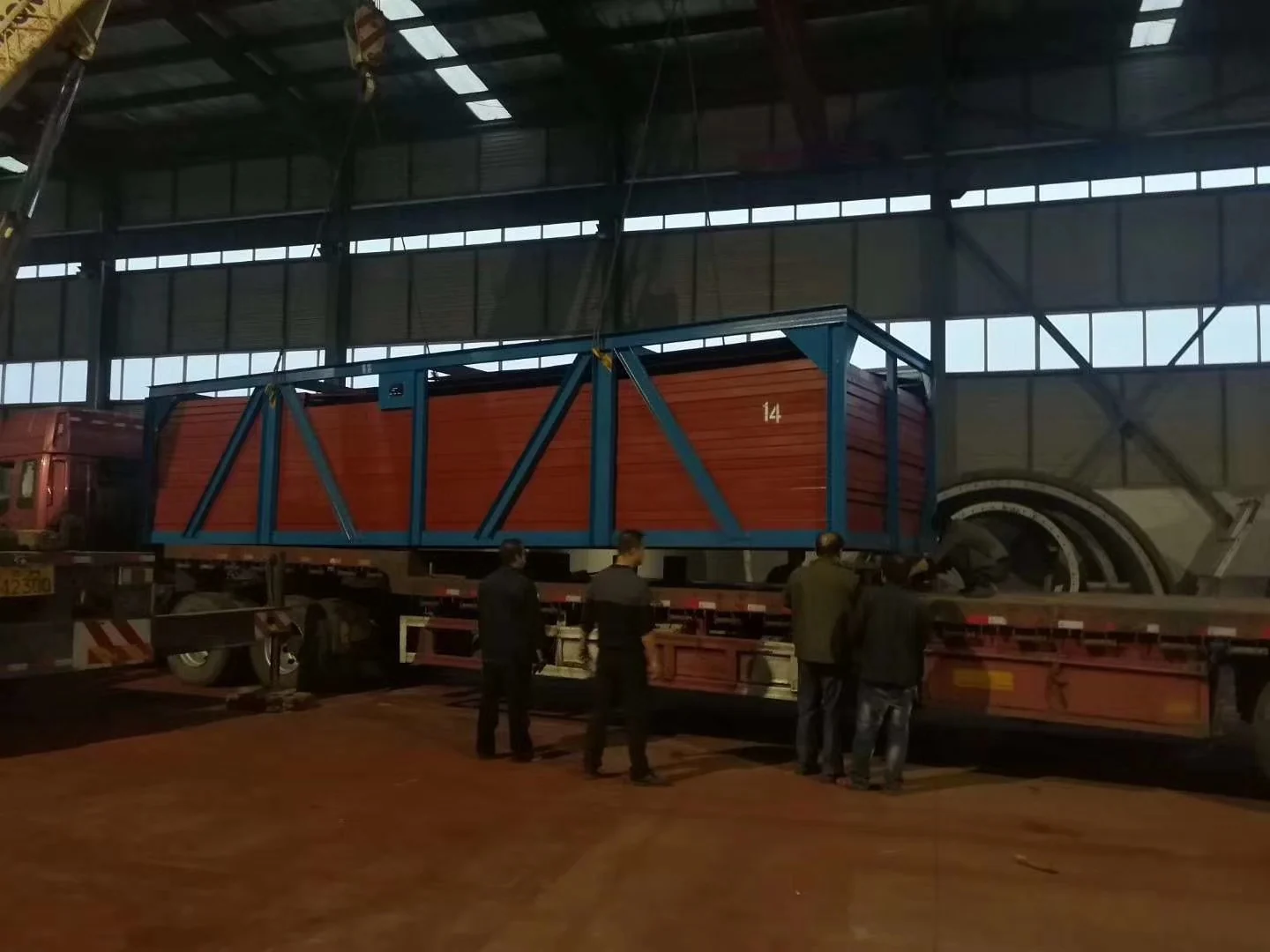
Keep the removed bag traceable
Assign each retained sample a compartment and row number. Photograph the whole bag and the damaged area before handling changes its appearance. Record installation date, the first reported symptom and any earlier repairs. Use the site procedure for containment and sample handling; do not shake dust into the workplace. These are suggested investigation records, not a substitute for a supplier examination.
Prepare an operating timeline
Collect available temperature, airflow and process-change records around the event. EPA identifies temperature exposure as a filter-damage concern and lists multiple operating and emissions indicators [2]. Ask the responsible engineer which records can help distinguish a process excursion from an installation or media issue. One photograph or one gauge reading cannot establish the complete cause.
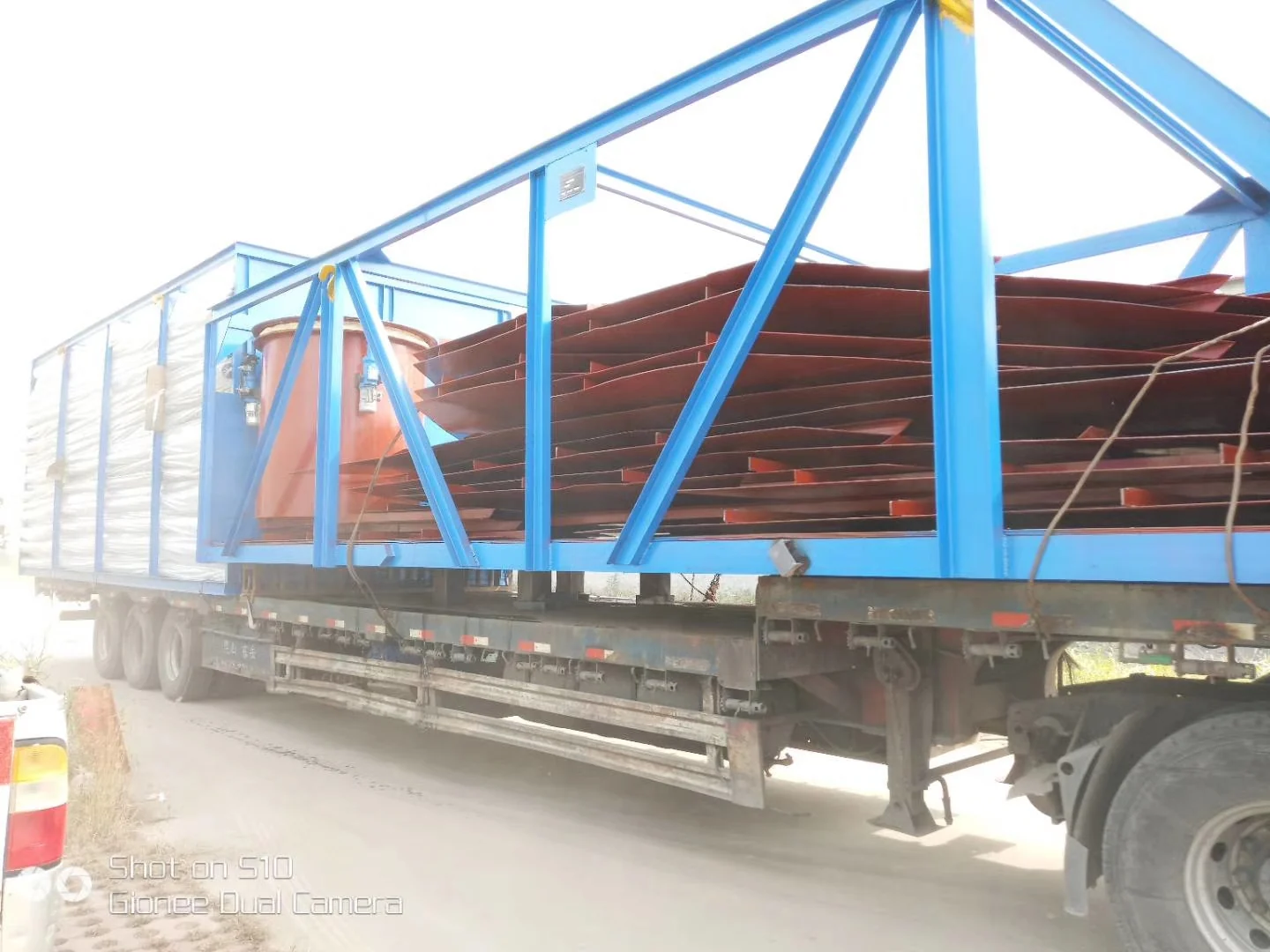
Write a replacement specification
Provide the installed part number, approved drawing, dimensions, top attachment and bottom construction. Ask the supplier to confirm compatibility with the existing cage and tube-sheet connection. Identify unknown measurements instead of guessing. Request the proposed media specification and the service conditions used for selection, plus any installation and acceptance requirements. A quotation should identify assumptions requiring site confirmation.
Agree how the repair will be closed out
Separate sample examination, replacement supply and installation into clear work items. Before restarting, use the equipment manual and site authorization process. Request an installation record and an agreed follow-up observation period. Compare findings with the recorded starting condition, without treating a new set of bags as proof that the original cause has disappeared.
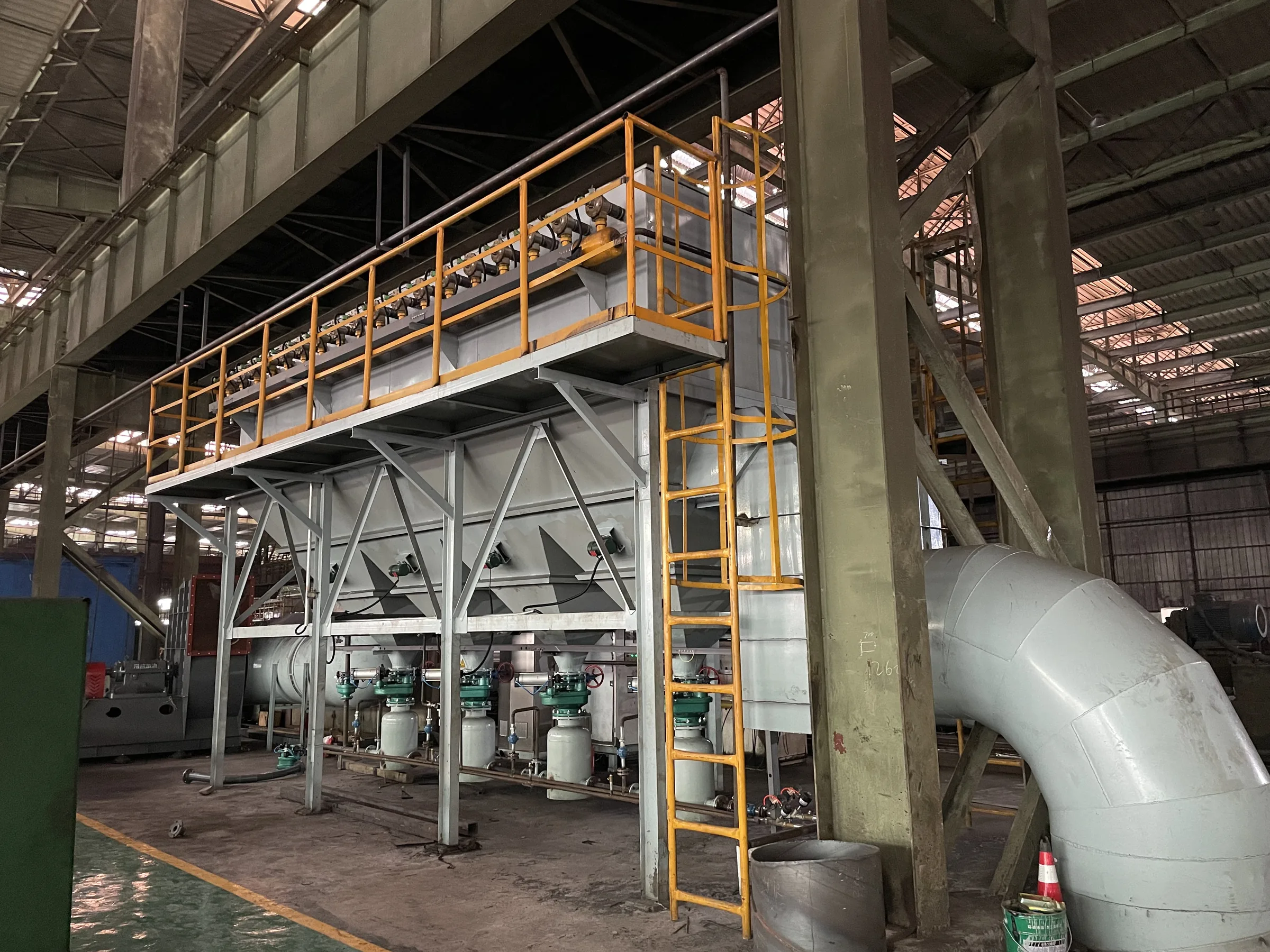
FAQ: Can colour identify the right replacement material?
No. Ask for traceable product identification and an approved specification. If these are unavailable, tell the supplier explicitly and agree how the existing material and service conditions will be checked.
FAQ: Should the supplier guarantee a fixed service life?
A useful proposal states the operating basis, exclusions and evidence supporting any commitment. This article gives no universal life expectancy. Discuss the actual process and inspection findings before agreeing a replacement scope.
Technical sources and editorial note
Independent rewrite inspired by the user-specified article. The records and enquiry steps are editorial recommendations; no failure cause, material limit or service life is assumed. Equipment-library images do not show the failure described. Sources reviewed 29 October 2026.
- [1] Hebei Kuohai — Main causes of pulse dust collector damage (2019-04-19)
- [2] US EPA — Monitoring by Control Technique: Fabric Filters
Related equipment: Pulse jet baghouse dust collectors · Dust collector filter bags
Use this guide to prepare for an equipment discussion. Confirm selection and operating requirements against your actual process and site conditions.