
Published · Kuohai Editorial
Put wear on the layout
Parker’s technical article links inlet arrangement with abrasion and dust re-entrainment [2]. The design theme in the Kuohai archive [1] is a starting point; its unverified process claims are not used here. Our recommendation is to mark every observed wear location on the actual collector drawing before deciding what a retrofit should change.
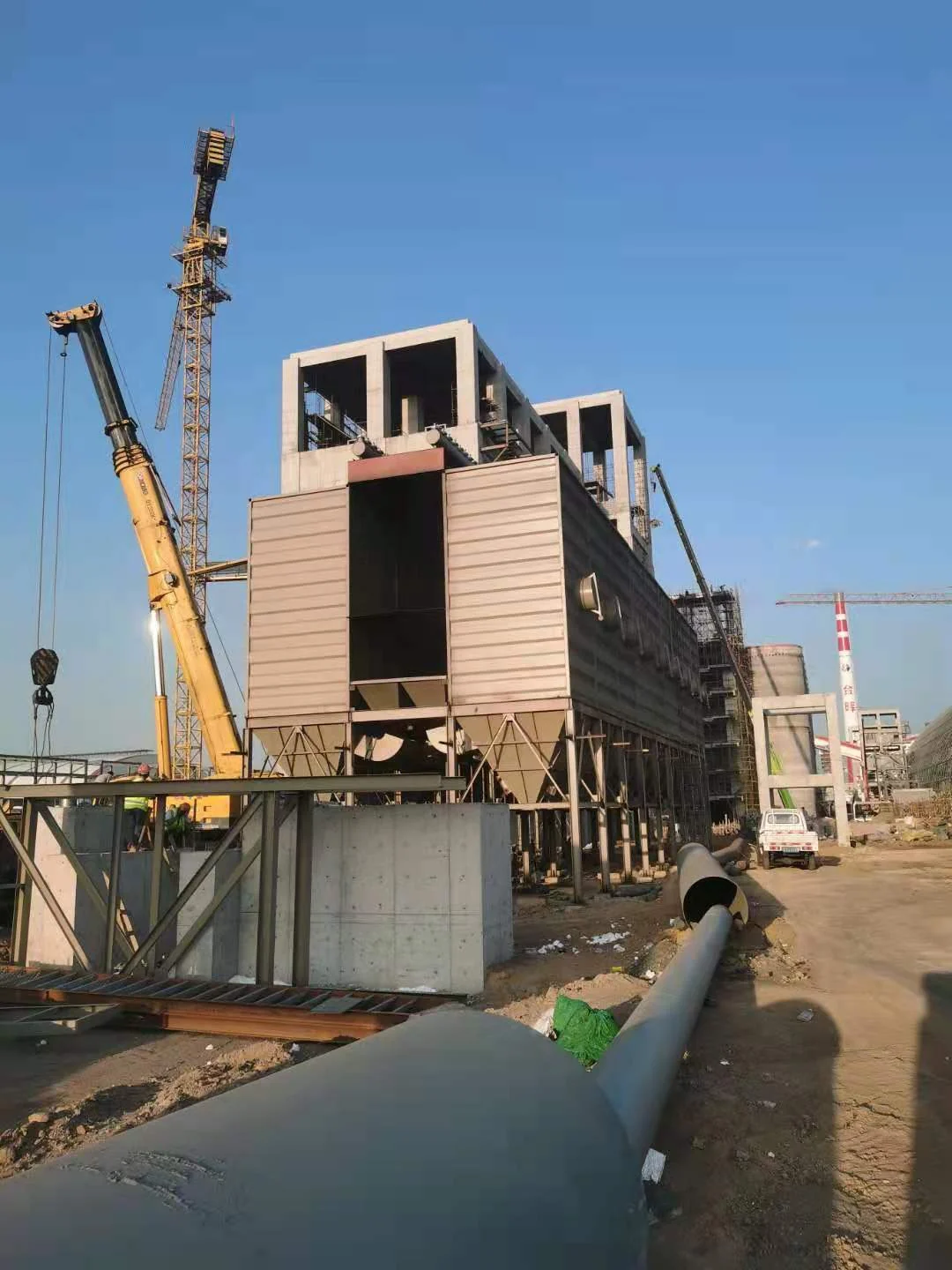
Build a comparable inspection record
Record the compartment, height, orientation and date of each observation. Include photographs with a consistent location reference, available material data and recent production changes. Distinguish confirmed damage from an inaccessible area. This produces a service enquiry that can be reviewed without assuming that all damage has the same cause.
Ask for a proposal tied to the evidence
Give the equipment supplier the inlet drawing, nearby duct geometry and the wear map. Request the reasoning behind any proposed baffle, liner or inlet change, including its installation and maintenance boundaries. Do not select a universal baffle angle or opening size from a general article; those details need the actual design review.
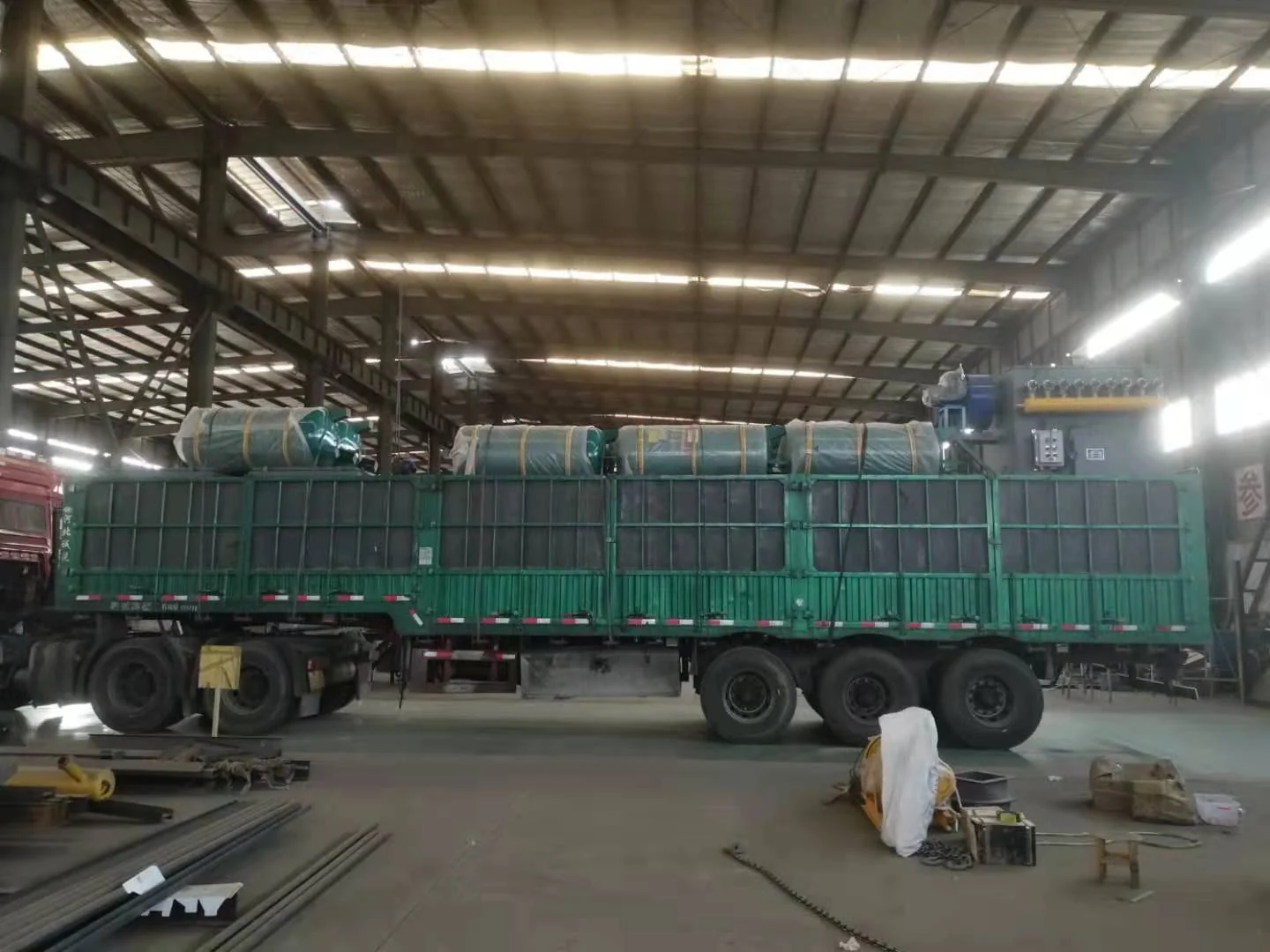
Retain a before-and-after basis
Before approving a modification, agree what drawings, inspection locations and operating conditions will be used to compare the result. Keep earlier records rather than replacing them with the new drawing. Treat the first inspection as a baseline, not proof of a guaranteed service-life increase. Internal access and repair follow the site and equipment procedures.
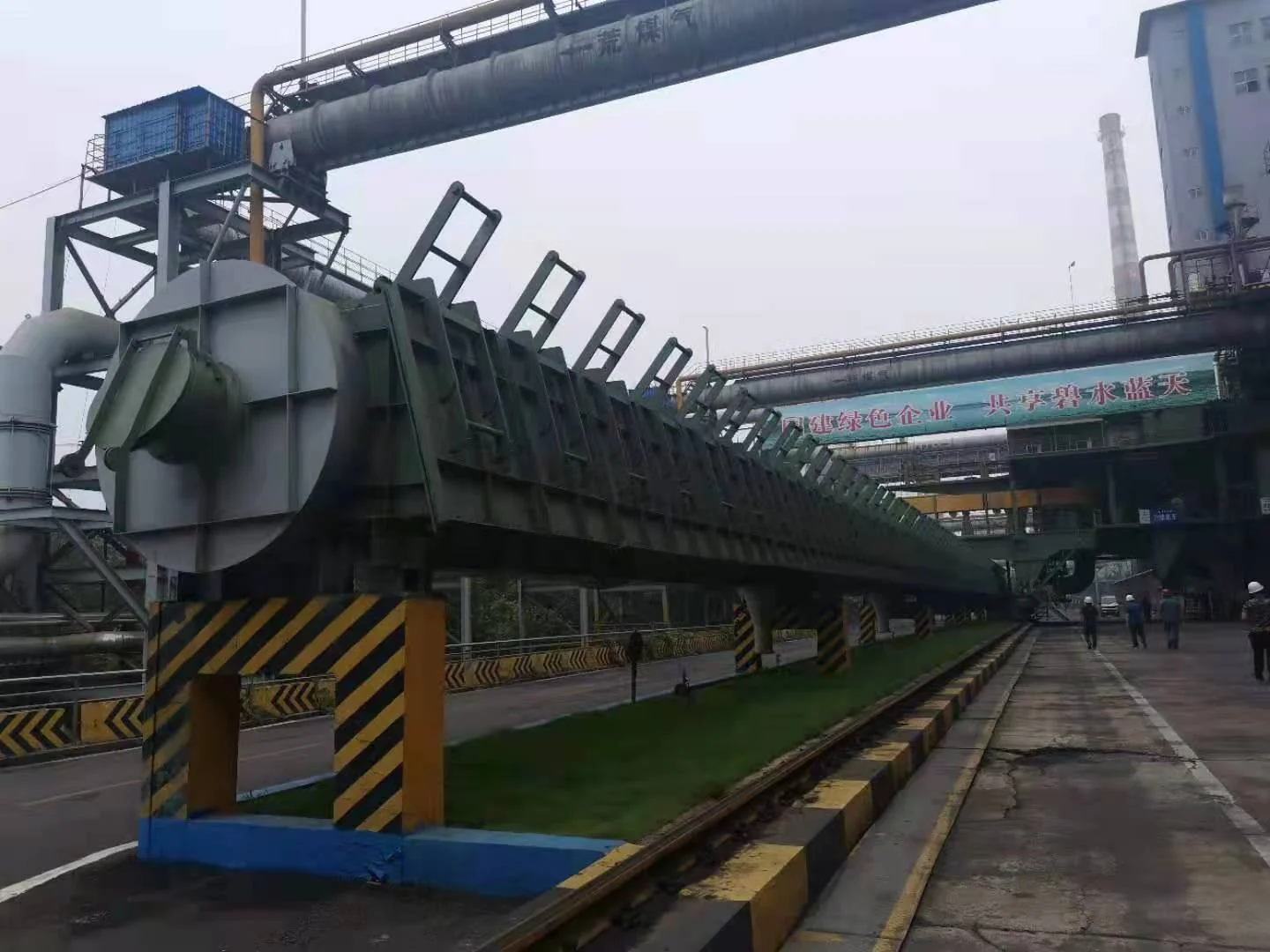
FAQ: Does repeated bag damage prove an inlet problem?
No. It is evidence to investigate. Ask the supplier to review damage locations with the full operating and maintenance history.
FAQ: Is installing a liner enough?
A liner proposal should state its purpose, attachment, access and review basis. Ask whether the underlying flow arrangement also requires assessment.
Technical sources and editorial note
Independently written guide. Referenced technical descriptions are attributed in the body; project record and procurement steps are editorial recommendations. Existing photographs are contextual examples and do not establish a brand, certification or project performance. Sources reviewed 4 November 2026.
- [1] Kuohai — Baghouse structure and design archive (20 July 2022)
- [2] Parker / BHA — 20 Economical Ways to Improve Baghouse Performance, inlet design
Related equipment: Pulse jet baghouse dust collectors · Dust collector filter bags
Use this guide to prepare for an equipment discussion. Confirm selection and operating requirements against your actual process and site conditions.