
Published · Kuohai Editorial
Pair each reading with its operating state
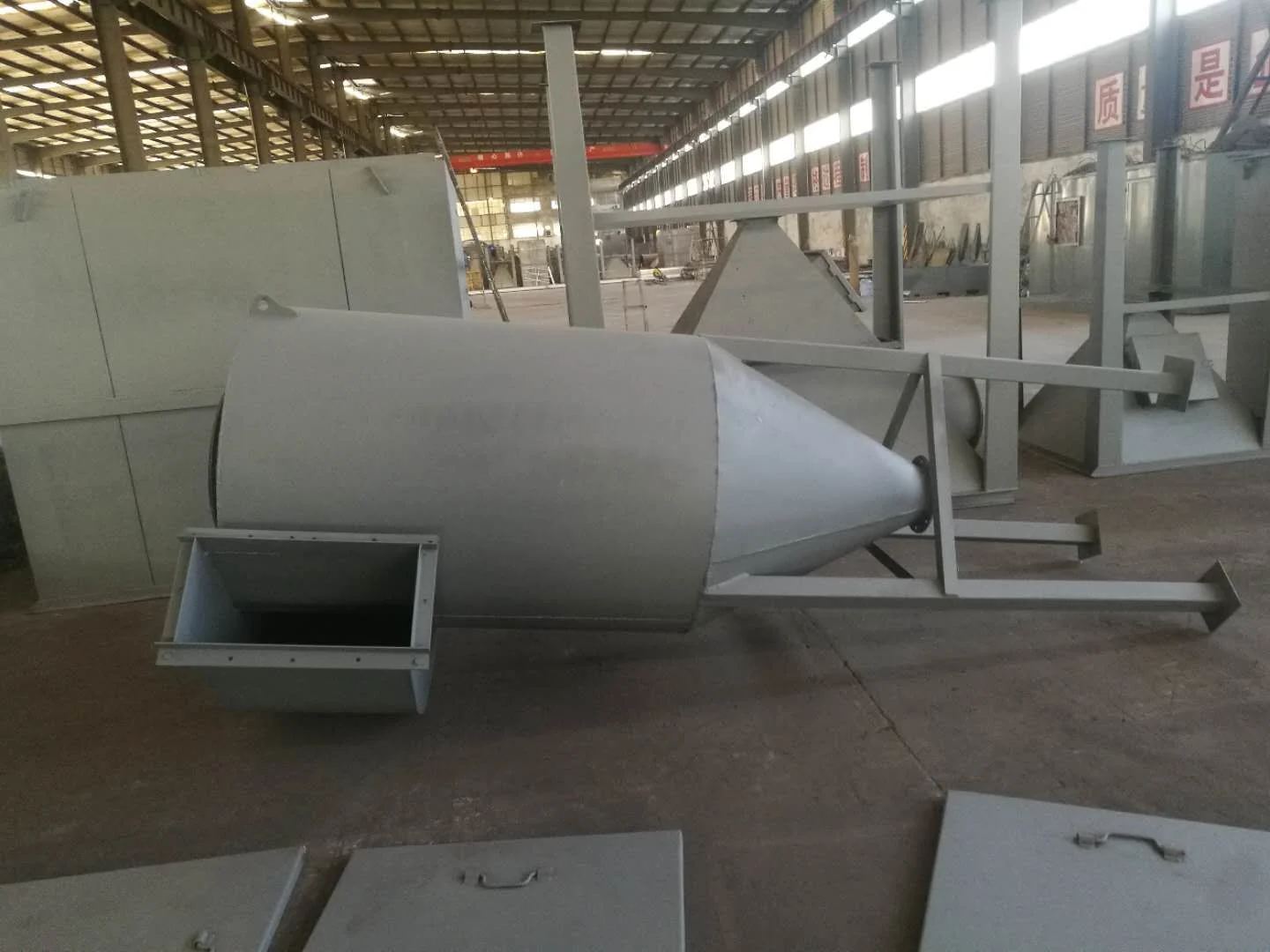
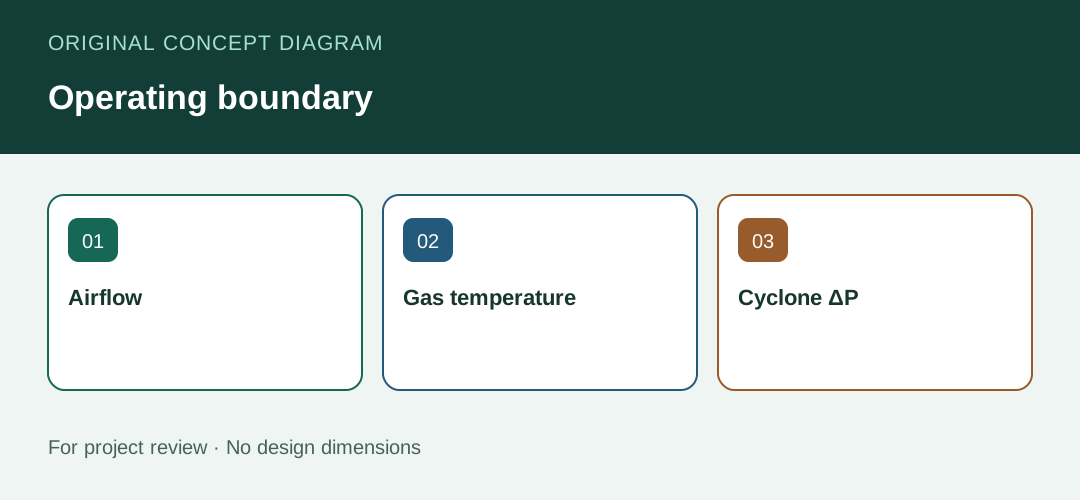
A cyclone pressure reading is useful when the gas flow and process conditions are known. EPA lists differential pressure and inlet gas temperature among cyclone monitoring indicators [2]. Record them together with available airflow data, using the same pressure taps and units across shifts.
Compare like operating points
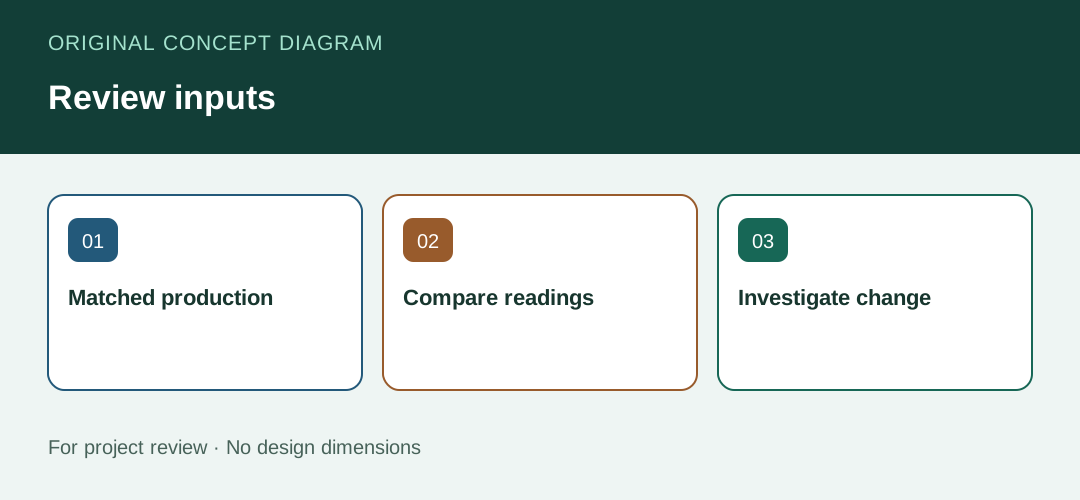
Keep normal production, start-up and reduced-load readings in separate groups. In a comparison, note process equipment in service, gas temperature and any duct changes. A drop at reduced load and a drop at the same load merit different follow-up. If the flow reading is missing, flag the comparison as incomplete.
Use the trend to direct an inspection
Preserve the original records and ask the responsible engineer to review the instrument, gas path and discharge arrangement. Use the site's approved outlet measurement method to assess particulate performance. Document the upstream fuel or feed change before relating the trend to a multicyclone installation [1].
FAQ. Can pressure drop establish collection efficiency?
Pressure drop is an operating indicator. A collection assessment needs the applicable particulate measurements and test conditions.
Technical sources and editorial note
References are identified in the text. Checklists and diagrams support project review.
Related equipment: Pulse jet baghouse dust collectors · Dust collector filter bags
Use this guide to prepare for an equipment discussion. Confirm selection and operating requirements against your actual process and site conditions.