
Published · Kuohai Editorial
Start with the collector's documented requirements
Compressed air is an operating utility for many pulse jet baghouse and cartridge dust collectors. A useful review starts with the collector manual, not a pressure setting copied from a different installation. Donaldson's technical guidance recommends matching the supply to the equipment specification and providing point-of-use regulation, isolation and final filtration [1]. Use those principles as questions for your own equipment supplier; they do not establish a universal pressure or cleaning interval for every industrial bag filter system.
Record pressure where the collector uses the air
For an application review, record the gauge location, normal production condition and observations before, during and after a cleaning sequence. Label a reading taken at the compressor separately from one taken near the collector. Note which other machines were using compressed air at the time. This is a suggested record format rather than a diagnostic threshold: the aim is to give the supplier a repeatable description of the condition instead of a single unexplained number.
Review air quality and the cleaning control mode
Donaldson describes clean, dry air and point-of-use condensate management as part of compressed-air management [1]. Its controller guidance explains that demand cleaning can start at a configured high differential-pressure point and stop at a lower point [2]. Ask whether your pulse jet dust collector operates on a timer, differential pressure or another approved mode. Record the existing settings before discussing changes. Do not adopt another manufacturer's example settings or projected savings as a guarantee for your installation.
Separate observations from electrical troubleshooting
If cleaning does not start when expected, record the indicated differential pressure, air-supply status and externally visible controller indications. Donaldson distinguishes the demand controller from the timer board and assigns electrical isolation and circuit testing to a qualified electrician [2]. Keep your initial inspection non-invasive. Maintenance involving stored pressure or electrical components should follow the equipment instructions and site isolation procedures; this article is not a procedure for opening a pressurized manifold or bypassing a controller.
Build a short operating record before requesting a change
Create one row per observation period with date, production duty, material being processed, differential-pressure indication, compressed-air reading and its location, controller mode, visible alarms, recent maintenance and the operator's comments. Mark missing values as unknown. Compare records from similar production conditions and retain the original settings alongside any supplier-approved revision. This editorial checklist helps a maintenance team explain what changed; it does not prove a root cause or replace site measurements.
What to include in a retrofit or equipment enquiry
For a baghouse dust collection system or an industrial baghouse retrofit system, provide the collector model, process airflow basis, dust description, operating temperature, available air utilities, control arrangement and the problem to resolve. Include existing drawings and photographs of accessible identification plates. Ask the proposal to separate collector requirements, utility work and control changes. Kuohai can use the supplied project information for an equipment discussion; compatibility and final scope still require confirmation.
FAQ: Is there one correct pulse pressure for every collector?
No. Use the requirements for the installed collector and its components [1]. In an enquiry, state the measurement location and operating condition, and ask the supplier to confirm the allowable range rather than requesting a generic industry value.
FAQ: Should a high pressure-drop reading trigger more frequent cleaning?
A high reading alone is not a complete diagnosis. Record the operating context and existing control mode, then request a review against the equipment instructions. Demand-control logic is described in the cited manufacturer guidance [2], but the correct response for your plant depends on the verified condition and approved settings.
Technical sources and editorial note
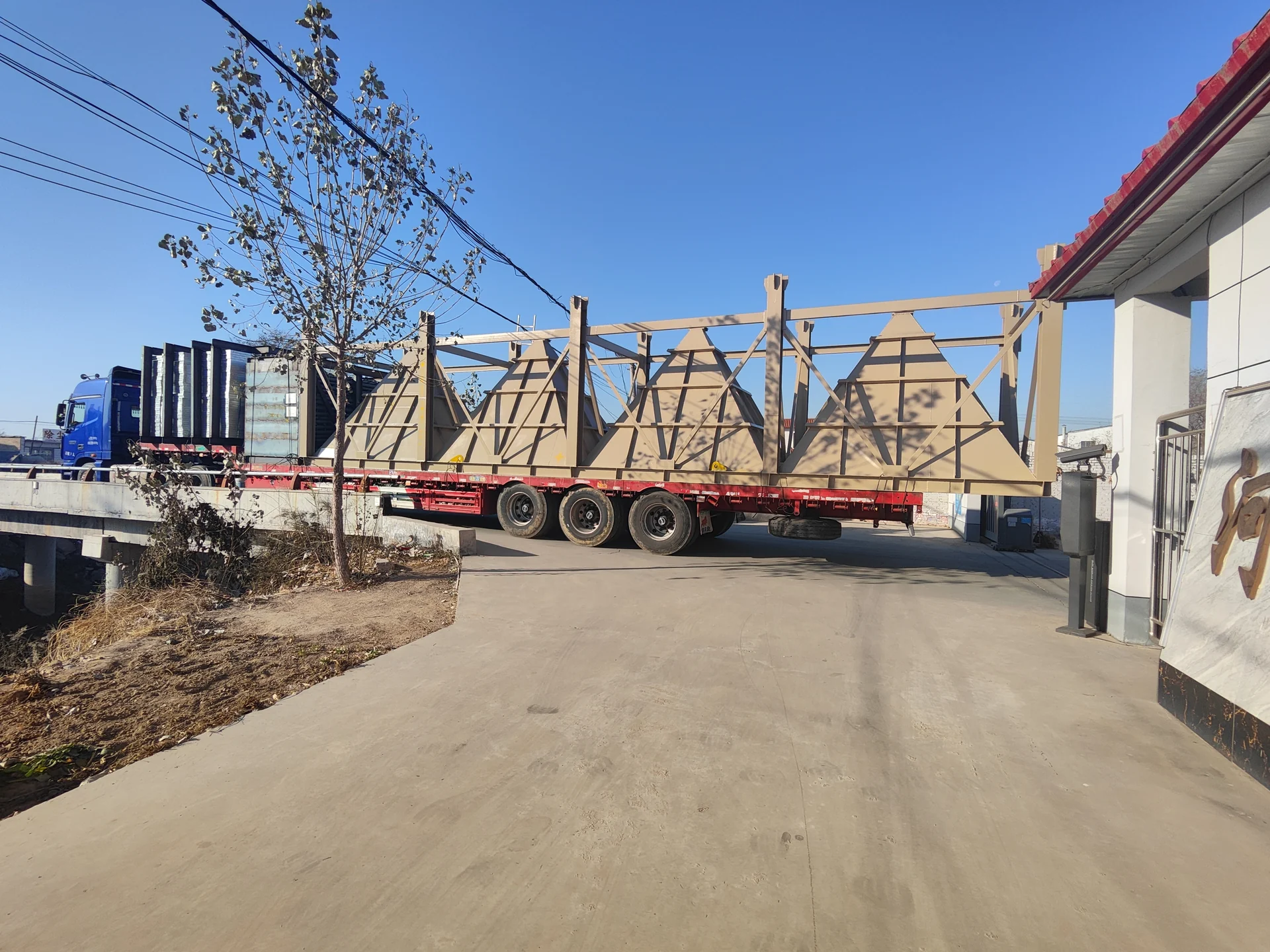
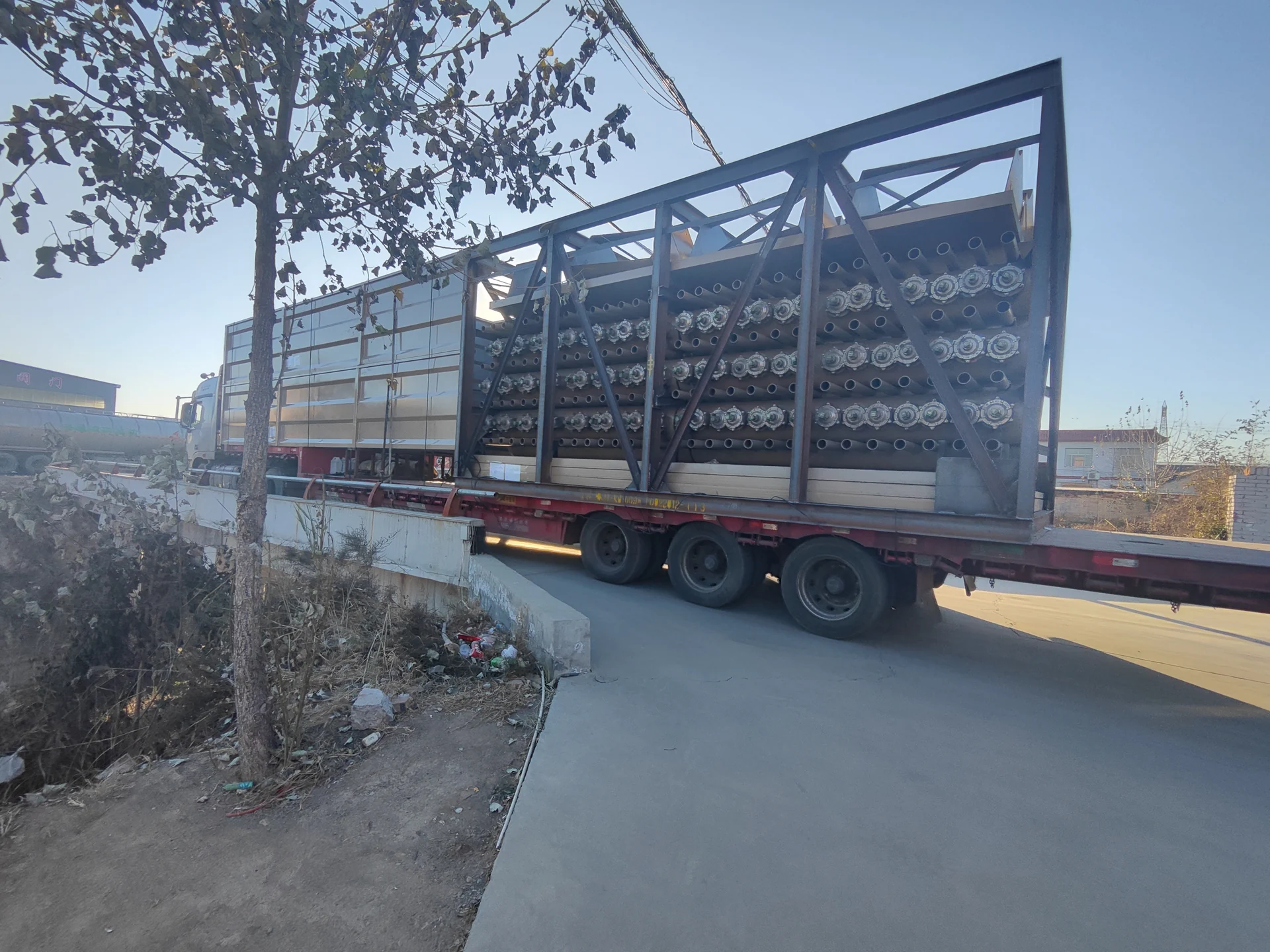
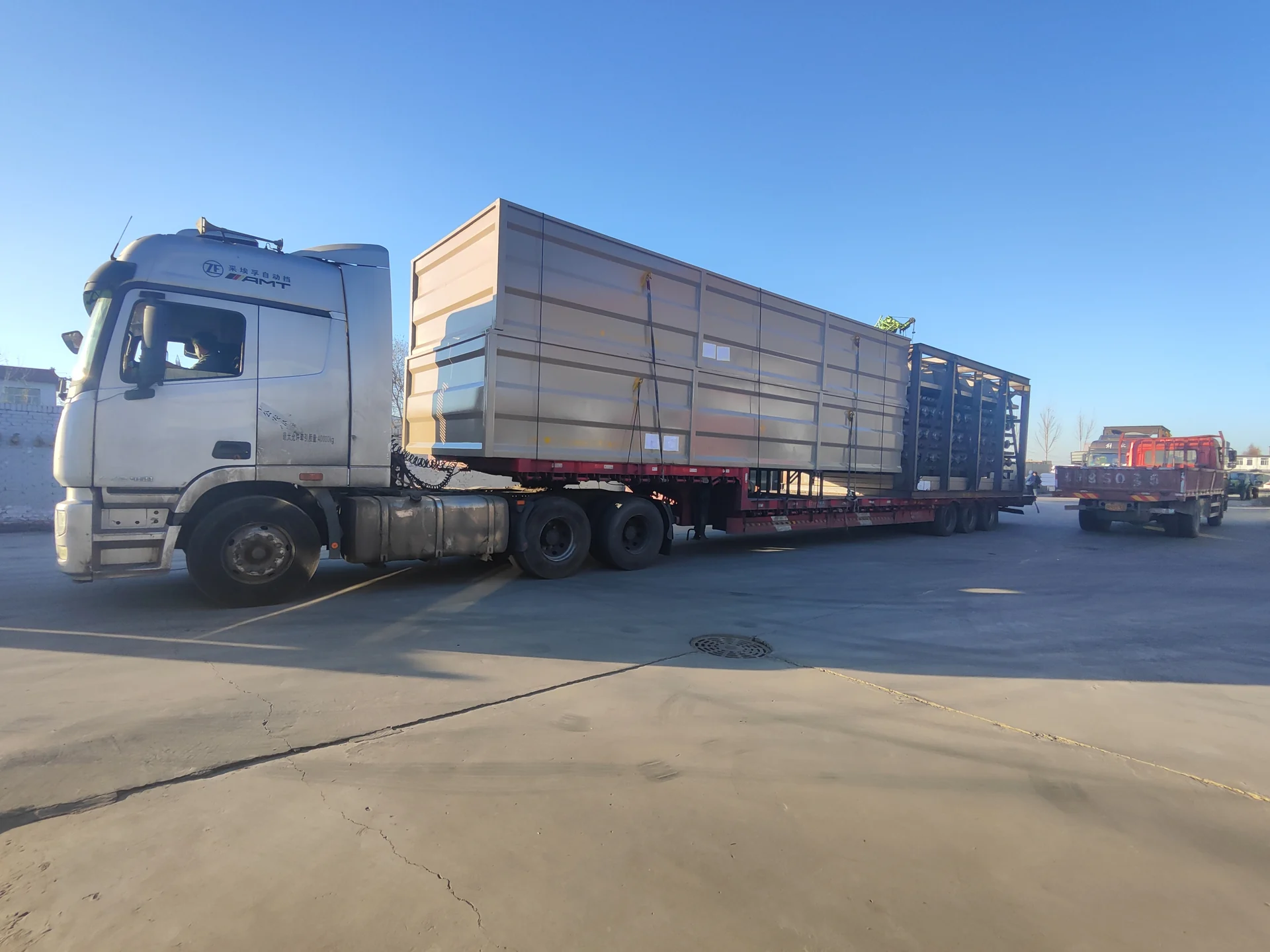
An independent technical summary with an original operating-record and enquiry checklist. Source-specific pressure values, cleaning intervals and cost examples have not been transferred to Kuohai equipment. Photographs are equipment references from the existing website library, not evidence of a particular performance result. Sources reviewed on 2026-10-27.
- [1] Donaldson — Managing Compressed Air for Industrial Dust Collectors
- [2] Donaldson — Troubleshooting Dust Collector On-Demand Cleaning Systems
Related equipment: Pulse jet baghouse dust collectors · Dust collector filter bags
Use this guide to prepare for an equipment discussion. Confirm selection and operating requirements against your actual process and site conditions.