
Published · Kuohai Editorial
Main point
Visible outlet dust requires investigation, but its appearance alone does not locate the fault. Record when the event starts and whether it coincides with cleaning, production changes or a restart.

Information to record
Collect the event duration, operating load, relevant alarms and available outlet-monitoring results. Identify the affected collector and compartment. Preserve the current settings and maintenance history so the review can distinguish an intermittent event from a persistent condition.
Review and acceptance
Plan checks of filter condition, bag seating and dirty-to-clean air separation with the responsible service team. Follow the installation's approved inspection arrangements. After corrective work, compare outlet observations and documented measurements under a stated production condition rather than relying on visual improvement alone.
FAQ: Does visible dust prove every bag needs replacement?
No. Determine the affected components and failure mechanism before defining the replacement scope.
FAQ: Can visual inspection prove emissions compliance?
Use the project's specified monitoring or test method; visual observation is supporting evidence.
Technical sources and editorial note
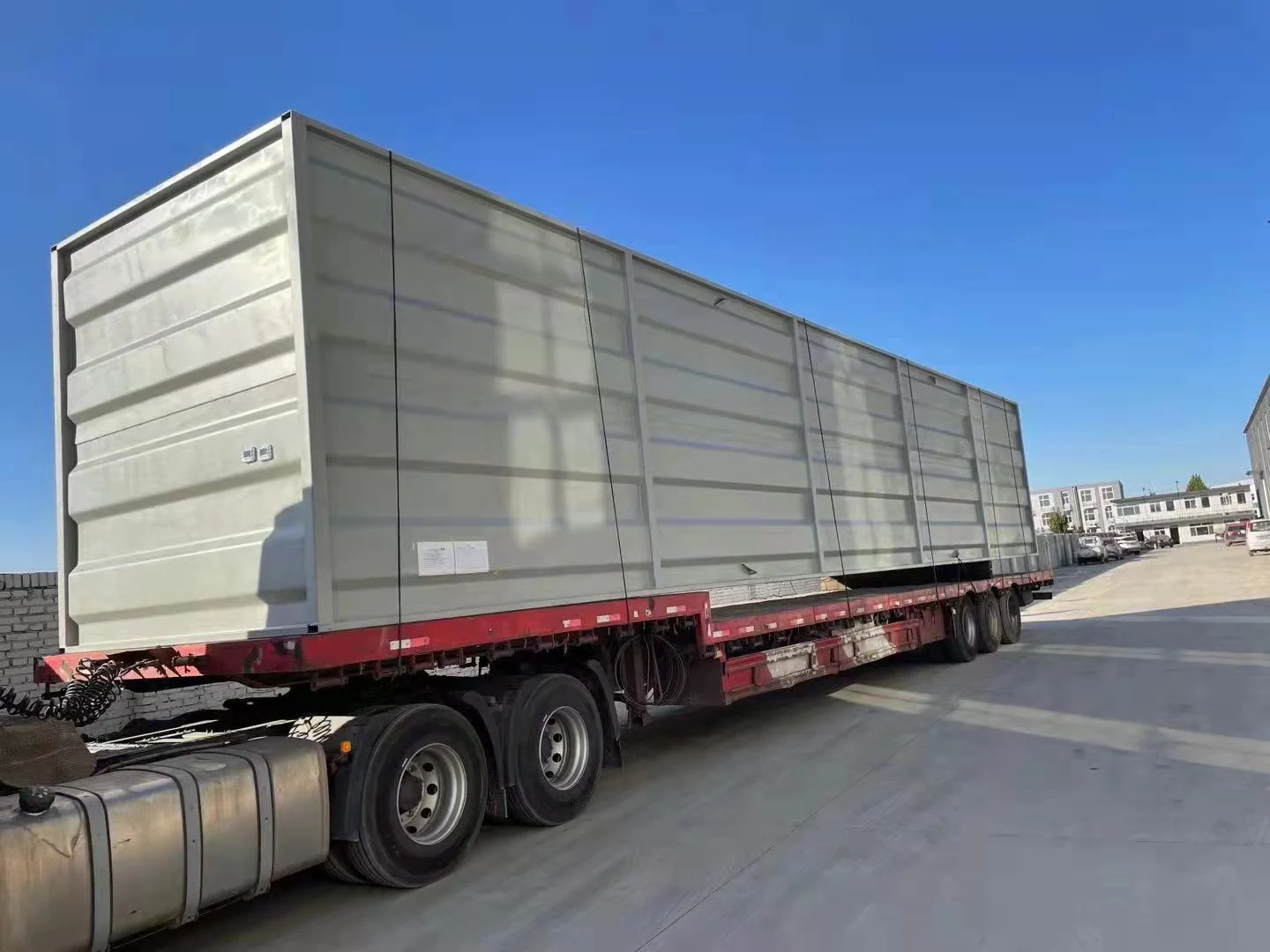
Independently written from the archived topic in [1], with related engineering context checked against [2]. The survey, purchasing and review steps are editorial guidance; project-specific requirements need confirmation. Existing photographs are equipment references. Editorial review updated 1 November 2026.
- [1] Kuohai — Archived technical article, 2022-07-14
- [2] Donaldson — Collector integrity and filter installation
Related equipment: Pulse jet baghouse dust collectors · Dust collector filter bags
Use this guide to prepare for an equipment discussion. Confirm selection and operating requirements against your actual process and site conditions.