
Published · Kuohai Editorial
Start with two operating cases
For a dust collector fan enquiry, describe the required airflow and pressure together. Then ask the supplier to assess both the clean-filter case and the intended loaded-filter case. New York Blower explains that filter loading changes system resistance and that fan selection should cover the operating range [2]. A nameplate motor rating alone does not document that review.
Prepare a pressure schedule with named boundaries
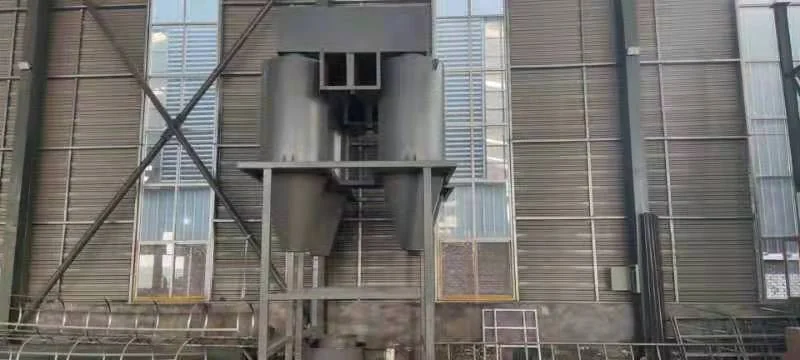
As an enquiry checklist, list the hood, inlet duct, collector, outlet duct and any silencer or discharge equipment. Identify which party supplies each pressure-loss estimate and whether the quoted fan pressure is static or total pressure. Mark uncertain values for confirmation. Keep the same boundary in every quotation so that a collector-only pressure value is not compared with a complete-system value.
Request marked curves, not just one catalogue number
Ask for the offered fan model, wheel size, speed, airflow units and inlet conditions alongside the curve. Have the supplier mark the proposed clean and loaded cases and explain the control method between them. Record the maximum motor demand and permitted operating range stated for the offered configuration. Do not turn an unverified margin into a universal percentage rule.
Describe where the fan sits and what reaches it
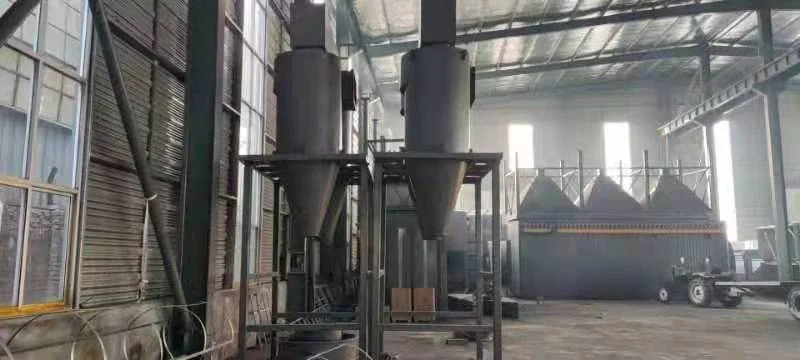
Provide a simple arrangement drawing showing whether the fan is upstream or downstream of filtration. State the expected gas temperature and material exposure at that location, together with known wear or corrosion concerns. Request written confirmation of the proposed construction. A workshop photograph identifies an equipment form; it cannot prove suitability for a particular gas stream.
Agree the commissioning comparison before purchase
We recommend requesting an agreed sheet for airflow, pressure measuring positions, speed or control setting and production state. Keep the supplier selection sheet with that record. If the measured result differs, first reconcile measuring conditions and installation details with the agreed basis. Changes to a drive or operating limit should follow the equipment supplier’s documented procedure.
FAQ: Is a larger motor proof of more useful extraction?
No. Request the fan performance and system-duty evidence supporting the proposal. Compare motor demand only after the airflow, pressure basis, inlet conditions and control arrangement have been stated consistently.
FAQ: What should be sent with a retrofit enquiry?
Send the current fan identification, available curves, arrangement drawing, existing operating readings and the proposed process changes. Label missing records. Ask the supplier to distinguish a preliminary estimate from a selection confirmed against project data.
Technical sources and editorial note
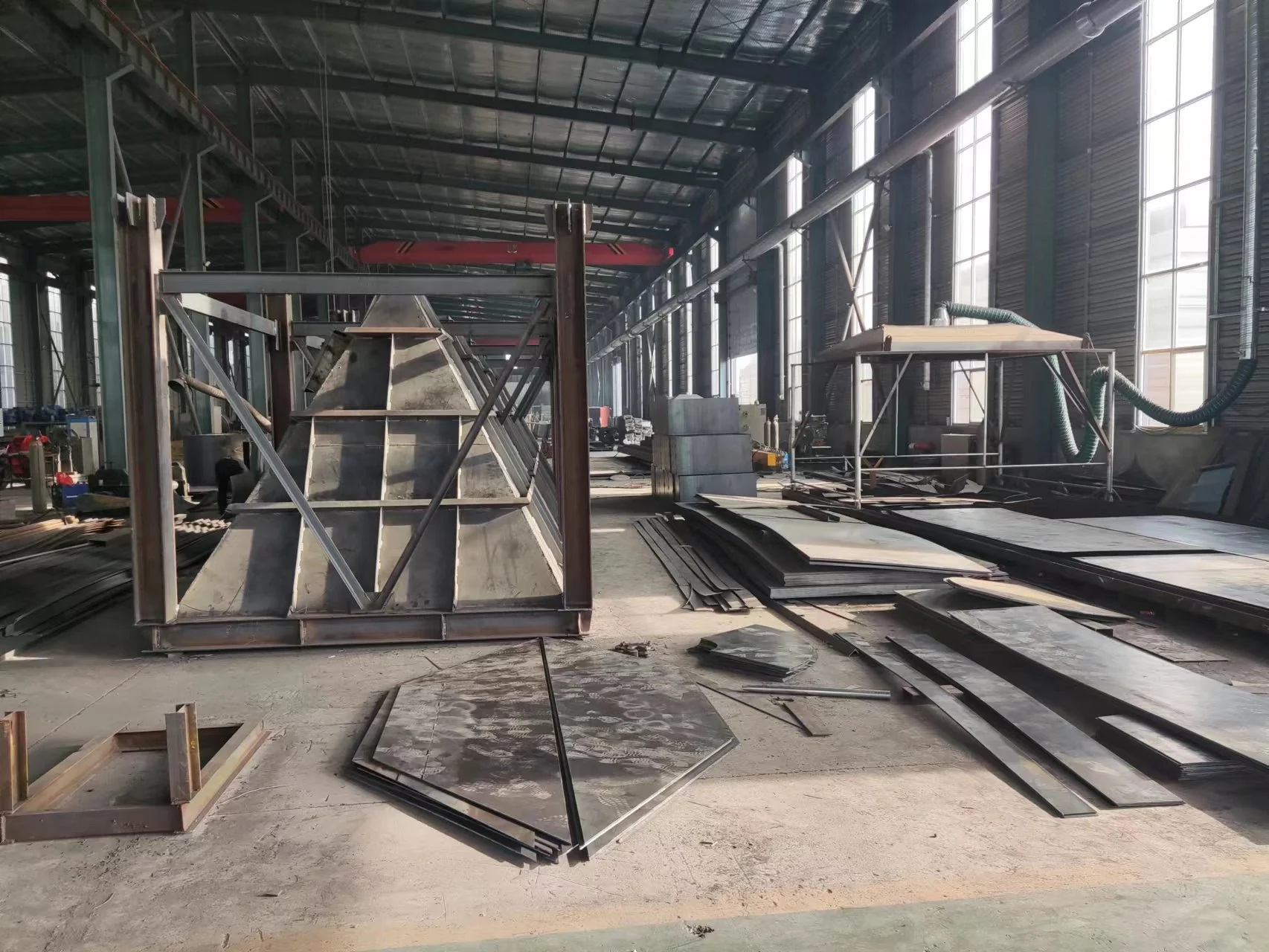
Independent guide inspired by the Kuohai archive [1] and technically checked against New York Blower [2]. The enquiry and commissioning checklist is editorial advice, not a universal sizing method. Photos are equipment references, not performance evidence. Reviewed 2 November 2026.
- [1] Kuohai — Fan selection for dust collectors (14 September 2023)
- [2] New York Blower — Beyond the Collector
Related equipment: Pulse jet baghouse dust collectors · Dust collector filter bags
Use this guide to prepare for an equipment discussion. Confirm selection and operating requirements against your actual process and site conditions.