
Published · Kuohai Editorial
Distinguish output order from physical adjacency
The next output in a controller program may serve a distant row, or it may serve the neighboring row. Neundorfer discusses the effect of cleaning adjacent rows in online pulse-jet service [2]. Use that technical concern to request a review of the actual layout rather than applying a universal sequence from an article.
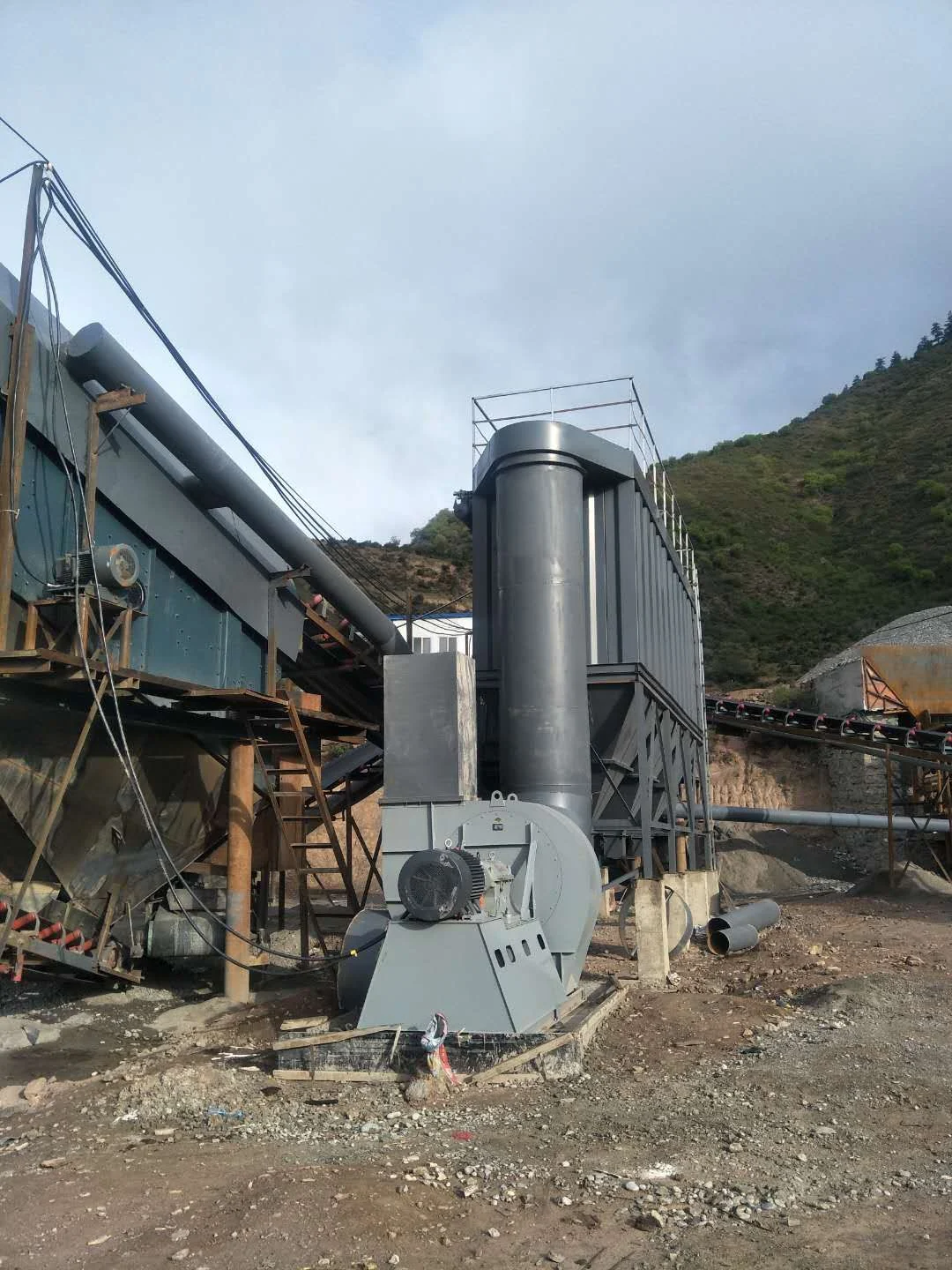
Draw the current sequence
Show the bag rows, valve identifiers and programmed order on the same sheet. Note the controller mode and whether the record describes online or isolated-compartment cleaning. Keep pulse duration, interval and sequence order as separate fields; changing one does not mean the others have also been approved.
State the purpose of the proposed change
Ask the supplier what problem the new order is intended to address and what evidence supports the proposal. Identify any constraints imposed by the supplied controller or pneumatic arrangement. Do not alter the program merely because a different plant uses a non-adjacent pattern. Preserve the original configuration and its revision.
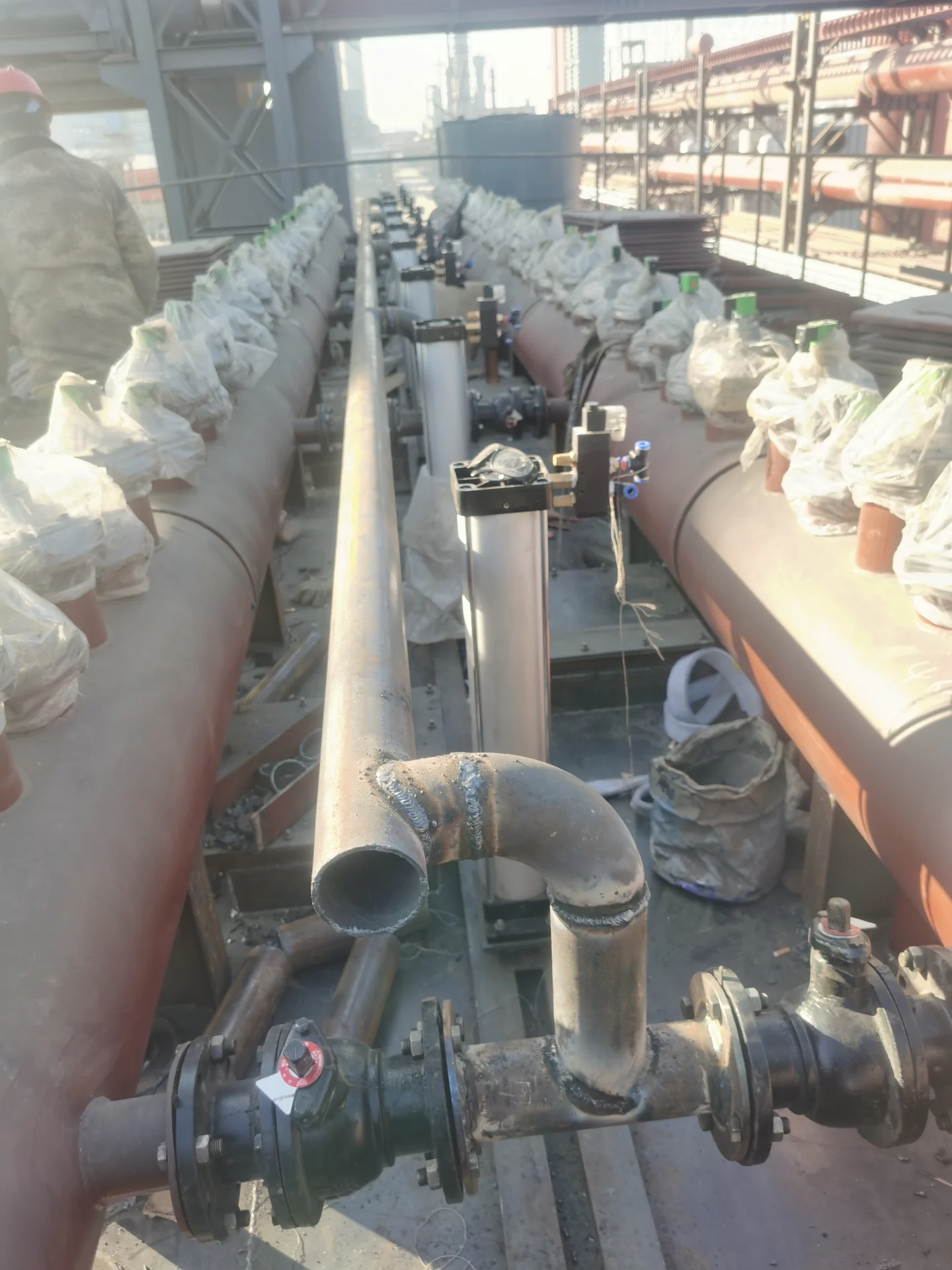
Agree a comparison and rollback basis
Before implementation, define the authorized change, observations to retain and conditions for review. Compare matched production states and record any concurrent changes. The archive performance theme [1] is best used to frame a documented evaluation; it cannot establish a guaranteed reduction in air consumption, pressure drop or bag wear.
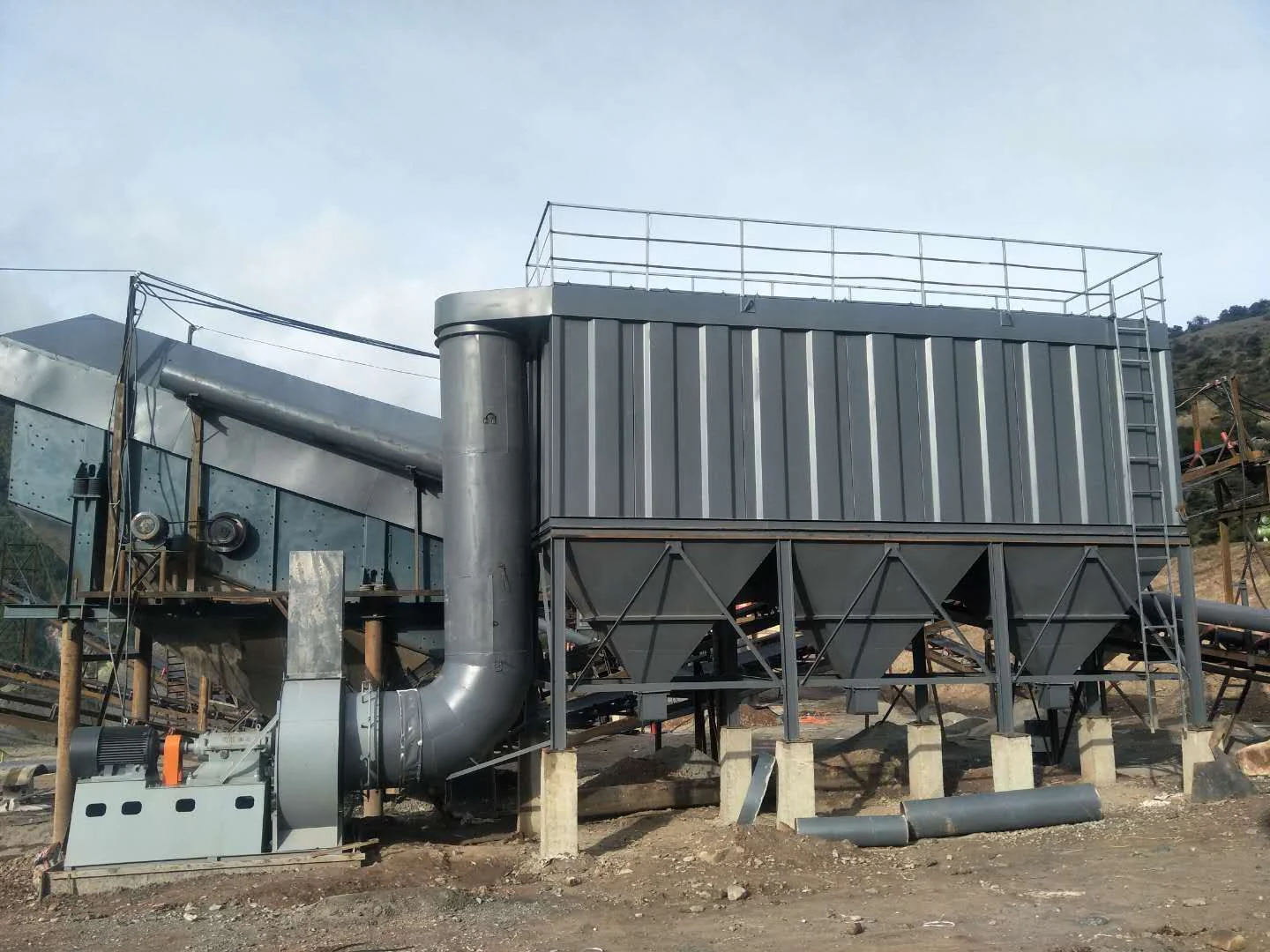
FAQ: Is controller output order the same as row order?
Only if the as-built mapping confirms it.
FAQ: Can this article supply a replacement sequence?
No. The actual row arrangement, operating mode and supplied control system need an equipment-specific review.
Technical sources and editorial note
Technical background is attributed in the body; record-keeping steps are editorial recommendations. Photographs are contextual equipment examples. Sources reviewed 5 November 2026.
Related equipment: Pulse jet baghouse dust collectors · Dust collector filter bags
Use this guide to prepare for an equipment discussion. Confirm selection and operating requirements against your actual process and site conditions.