
Published · Kuohai Editorial
Identify the installed valve first
For a pulse jet valve repair kit enquiry, begin with the installed valve model and the manufacturer’s compatibility record. Pentair Goyen Mecair recommends using the model number with its valve-to-kit cross-reference [2]. Our practical recommendation is to retain that match in the purchase record, together with clear identification photographs. Similar-looking parts do not document compatibility.
Separate the valve body, pilot and coil records
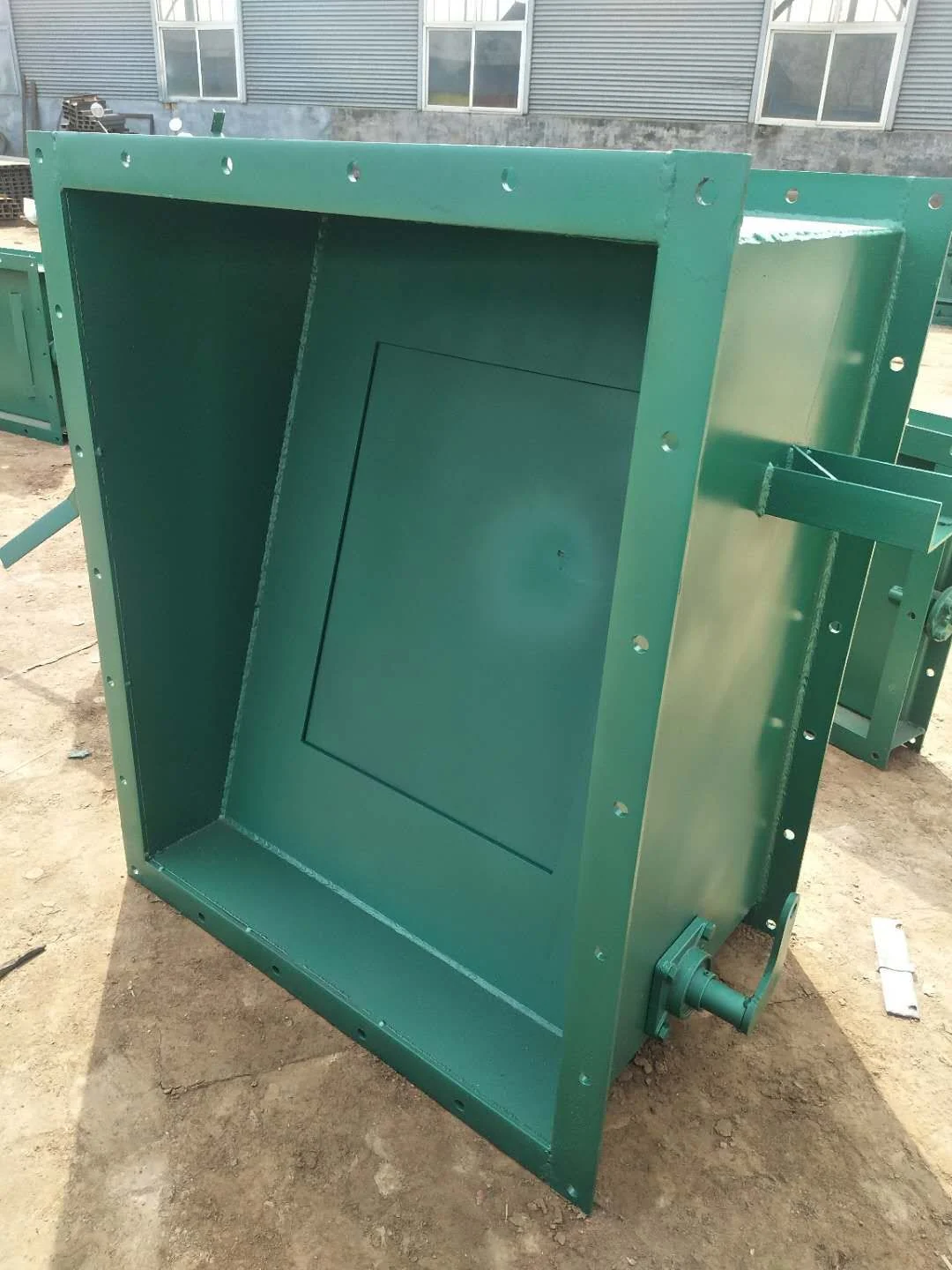
Create a small identification sheet for the valve body marking, connection arrangement and any visible pilot or coil labels. Record unreadable markings as unknown. Ask the supplier which information is necessary for the proposed kit; do not infer an electrical specification from the valve’s pipe size. A photograph can help identify the item, but should be supported by a confirmed part reference.
Ask what the offered kit actually contains
Request the kit number, applicable valve models and a contents list. Establish whether the offer covers a diaphragm assembly, seals, pilot components or a complete valve, and keep exclusions visible. If a supplier proposes an alternative material or design revision, request a written compatibility statement for the actual installed configuration before treating it as a replacement.
Describe the service history without prescribing a universal interval
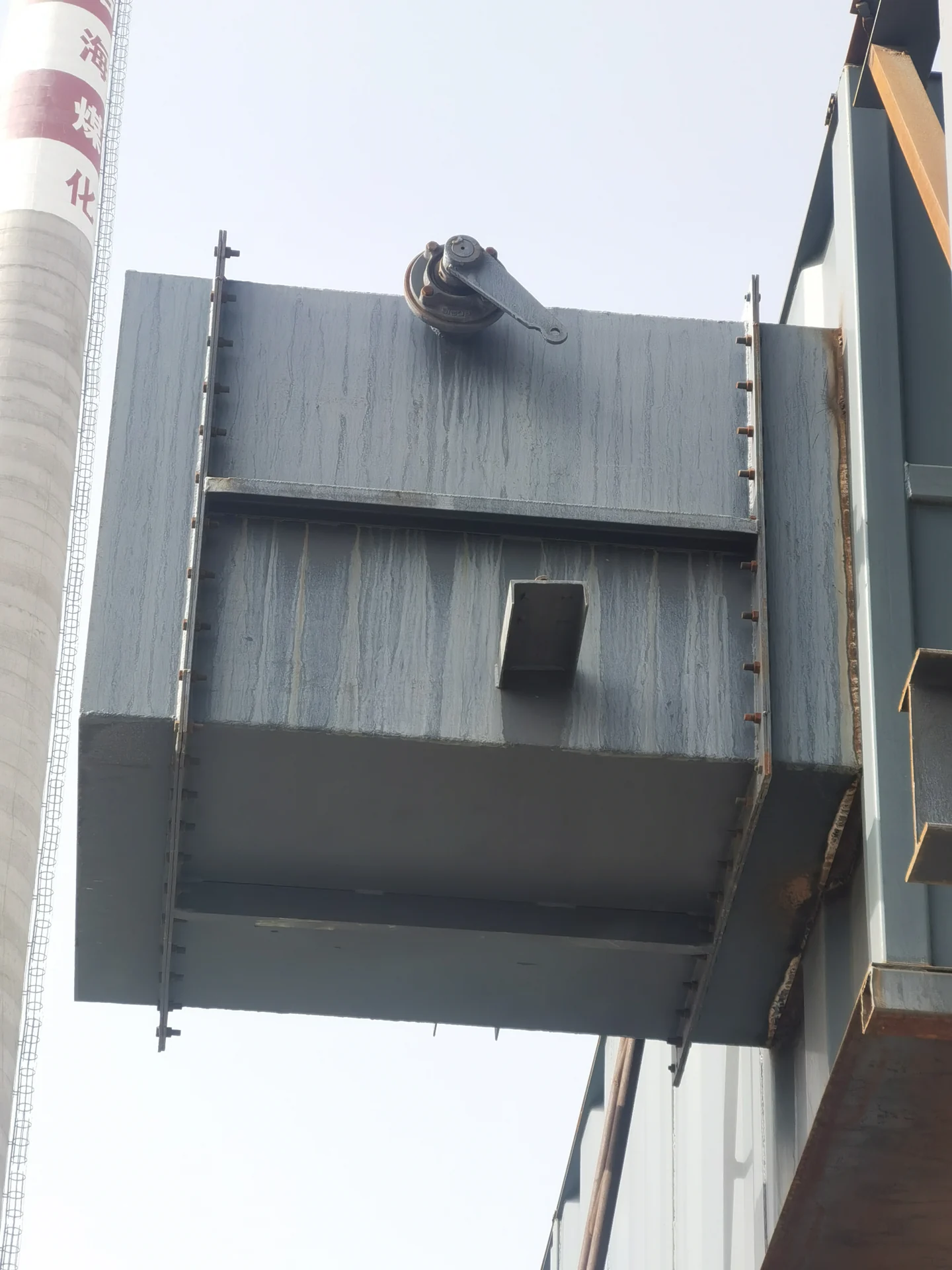
Send the known operating duty, maintenance history and the symptoms recorded by the site team. Ask the equipment supplier what additional operating information is needed to evaluate the replacement. A procurement enquiry should not assume that every valve needs the same replacement date or that a new diaphragm alone establishes the cause of an observed cleaning problem.
Plan acceptance and retain traceability
We recommend matching delivered labels and contents to the approved order and retaining the supplier instructions with the maintenance record. Have work on pressure-containing or electrical components performed under the applicable equipment and site procedures. This article supports identification and purchasing; it is not a valve dismantling procedure or permission to work on an energized or pressurized assembly.
FAQ: Can diaphragm diameter alone identify the right kit?
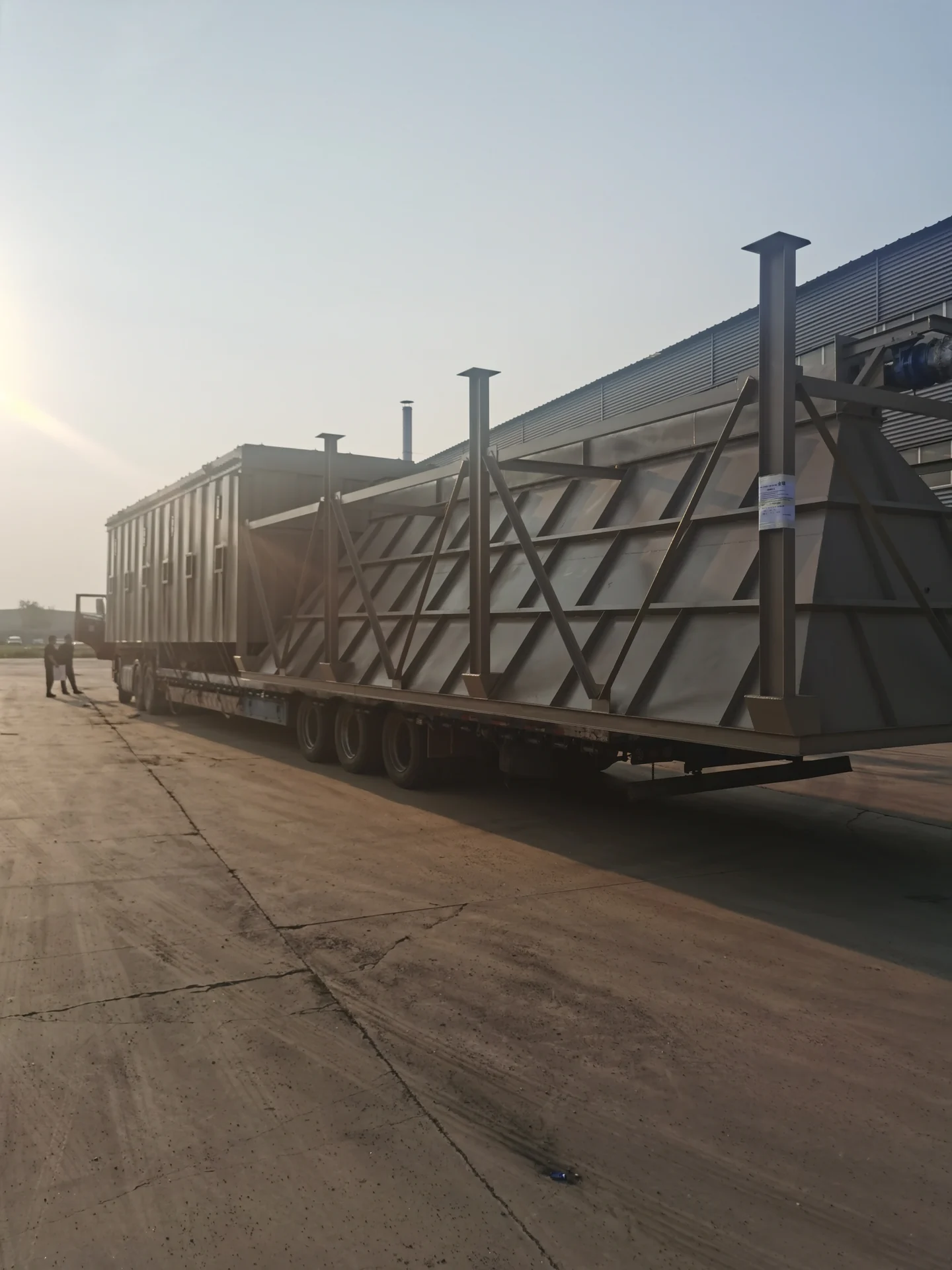
No. Ask for a documented match between the installed valve model and the offered kit reference. Where identification is uncertain, keep the enquiry preliminary until the supplier confirms the configuration.
FAQ: Must the entire valve be replaced when a kit is unavailable?
That decision needs the equipment supplier’s assessment. Ask it to distinguish a compatible kit, a complete replacement valve and any required interface changes, rather than assuming those options are interchangeable.
Technical sources and editorial note
Independent procurement guide prompted by Kuohai’s maintenance archive [1], with model-to-kit identification checked against Pentair Goyen Mecair [2]. The record and acceptance steps are editorial recommendations. Photos are existing equipment references, not an assertion of brand, certification or kit compatibility. Reviewed 3 November 2026.
- [1] Kuohai — Points to note when using a pulse dust collector (22 July 2022)
- [2] Pentair Goyen Mecair — FAQ: identifying replacement valve kits
Related equipment: Pulse jet baghouse dust collectors · Dust collector filter bags
Use this guide to prepare for an equipment discussion. Confirm selection and operating requirements against your actual process and site conditions.