
Published · Kuohai Editorial
Separate collection from surface cleaning
A wet electrostatic precipitator charges particles electrically and uses water to remove deposits from collection surfaces [2]. Document which components belong to the wash system and which belong to electrical collection. An observation of available water should be paired with the approved electrical operating record when the collection process is evaluated.
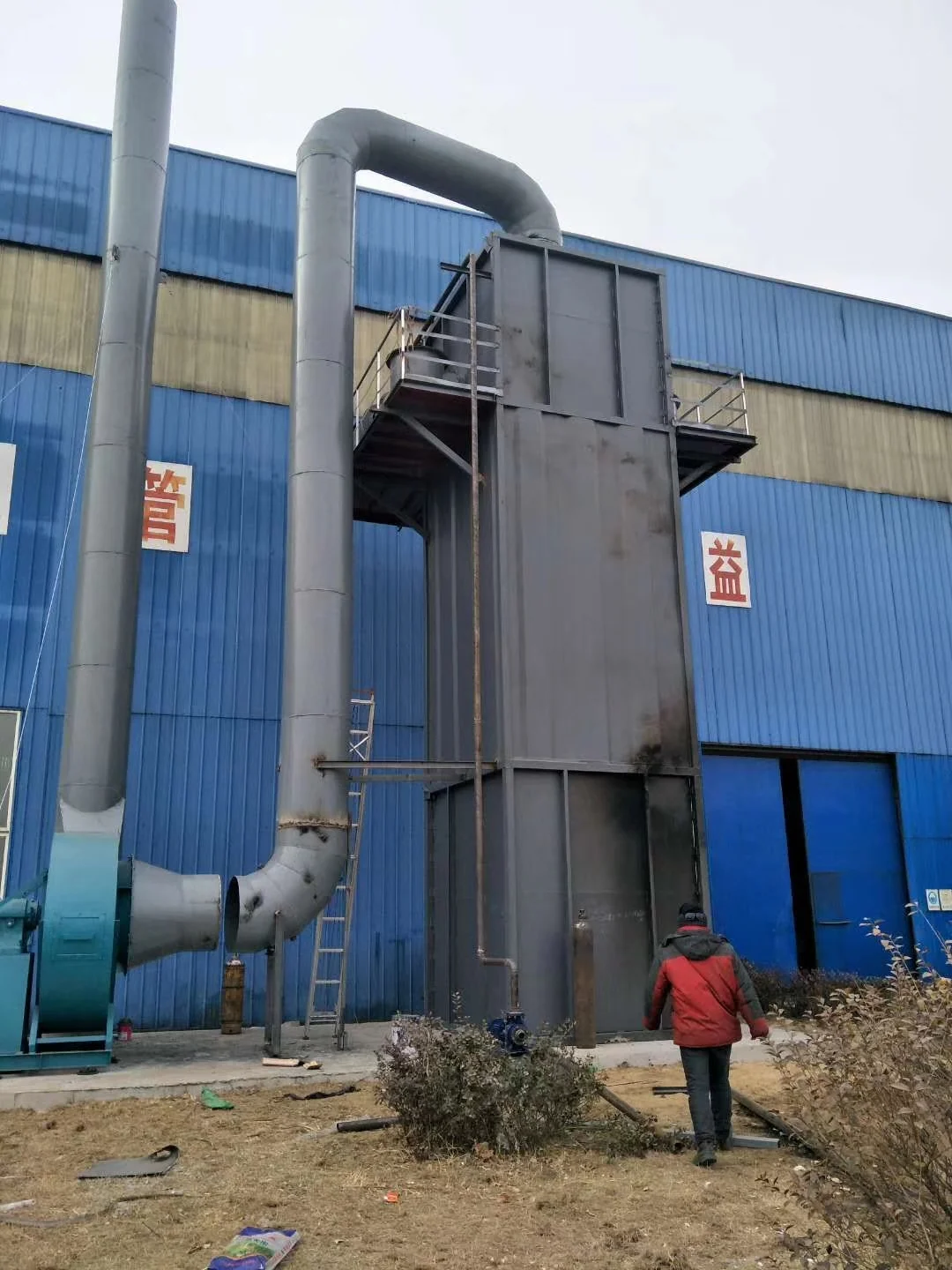
Trace the installed water interfaces
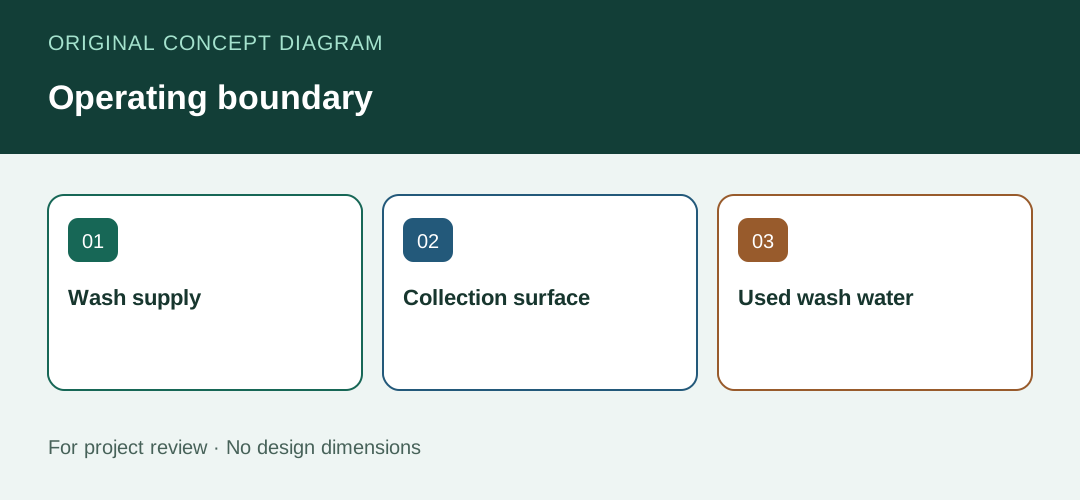
Draw the supply boundary, distribution point and destination of used wash water. Identify instrument locations and the condition under which a reading was obtained. Record whether each value is measured, specified or still to be confirmed. Obtain the correct documentation for the installed wash arrangement.
Keep the handover evidence separate
Ask the equipment supplier to define the checks for water delivery and removal. Coordinate the downstream handling responsibility with the facility. Keep electrical access and testing within approved site procedures. The archive discussion of stable dust control [1] motivates this handover checklist.
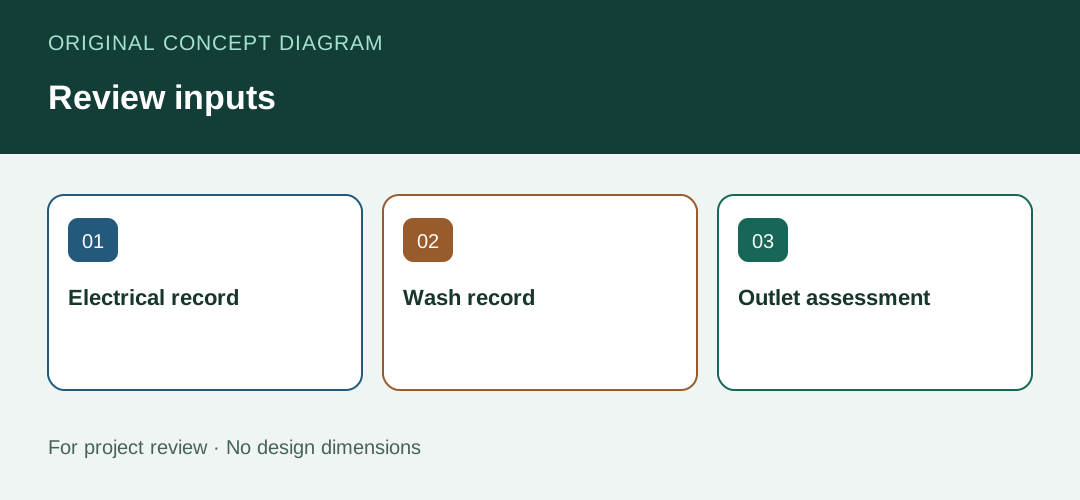
FAQ. Does a normal wash record establish outlet emissions?
A wash record documents water-system behavior. Outlet particulate assessment uses the facility's applicable monitoring method.
Technical sources and editorial note
References are identified in the text. Checklists and diagrams support project review.
Related equipment: Pulse jet baghouse dust collectors · Dust collector filter bags
Use this guide to prepare for an equipment discussion. Confirm selection and operating requirements against your actual process and site conditions.