
Published · Kuohai Editorial
Start with a defined inspection scope
For an industrial bag filter system, a sealing review should identify the exact joint, its condition and the evidence needed to close out the repair. The referenced Kuohai article highlights access doors, flanges and casing welds as inspection areas [1]. Turn those areas into a numbered site checklist rather than treating a general description of good sealing as an acceptance test.
Record doors, flanges and casing seams separately
Prepare a marked drawing or photograph set. Give each accessible door, duct connection and casing seam a reference number. Record visible gasket displacement, damaged fasteners, corrosion or previous repairs without assigning a cause from appearance alone. Ask the equipment supplier which observations require shutdown inspection. Do not open covers, tighten joints or approach moving equipment while the collector is operating.
Review condensation with the process conditions
EPA notes that condensation can blind filter bags and corrode casing components [2]. For the project review, assemble available inlet-temperature records, gas-composition information, insulation drawings and startup or shutdown histories. Ask the responsible engineer to establish the relevant dew-point basis. An ambient temperature or a generic temperature margin does not establish a safe operating limit for every gas stream.
Specify a repair and verification record
For each proposed repair, request the joint drawing, gasket identification, service-condition compatibility, installation instructions and inspection method. Record who approves the work, when it can be isolated and which evidence will confirm completion. If the proposal includes a leakage percentage, define the test boundary, operating condition, calculation basis and acceptance criterion in writing before comparing quotations.
Prepare an enquiry for a baghouse retrofit
Send the collector model, process description, available temperature and airflow data, marked joint photographs and the intended shutdown window. Separate known measurements from estimates. Ask the supplier to distinguish gasket replacement, door or flange correction, casing work and any insulation work. Keep items that need a site survey visible in the scope instead of assuming they are included in a single retrofit price.
FAQ: Can every baghouse promise the same leakage rate?
No. A percentage without a defined test method and project conditions is not a useful acceptance commitment. The older reference article includes numerical claims [1]; this guide does not transfer them to a different collector. Obtain a project-specific requirement and agreed verification procedure.
FAQ: Does a high pressure-drop reading prove a sealing fault?
No. Treat it as an observation to review alongside the process history and other inspection findings. EPA lists several operating and emissions indicators for fabric filters [2]. A sealing quotation should state the reported symptoms and the evidence still needed, rather than presenting an unverified diagnosis as the reason for a repair.
Technical sources and editorial note
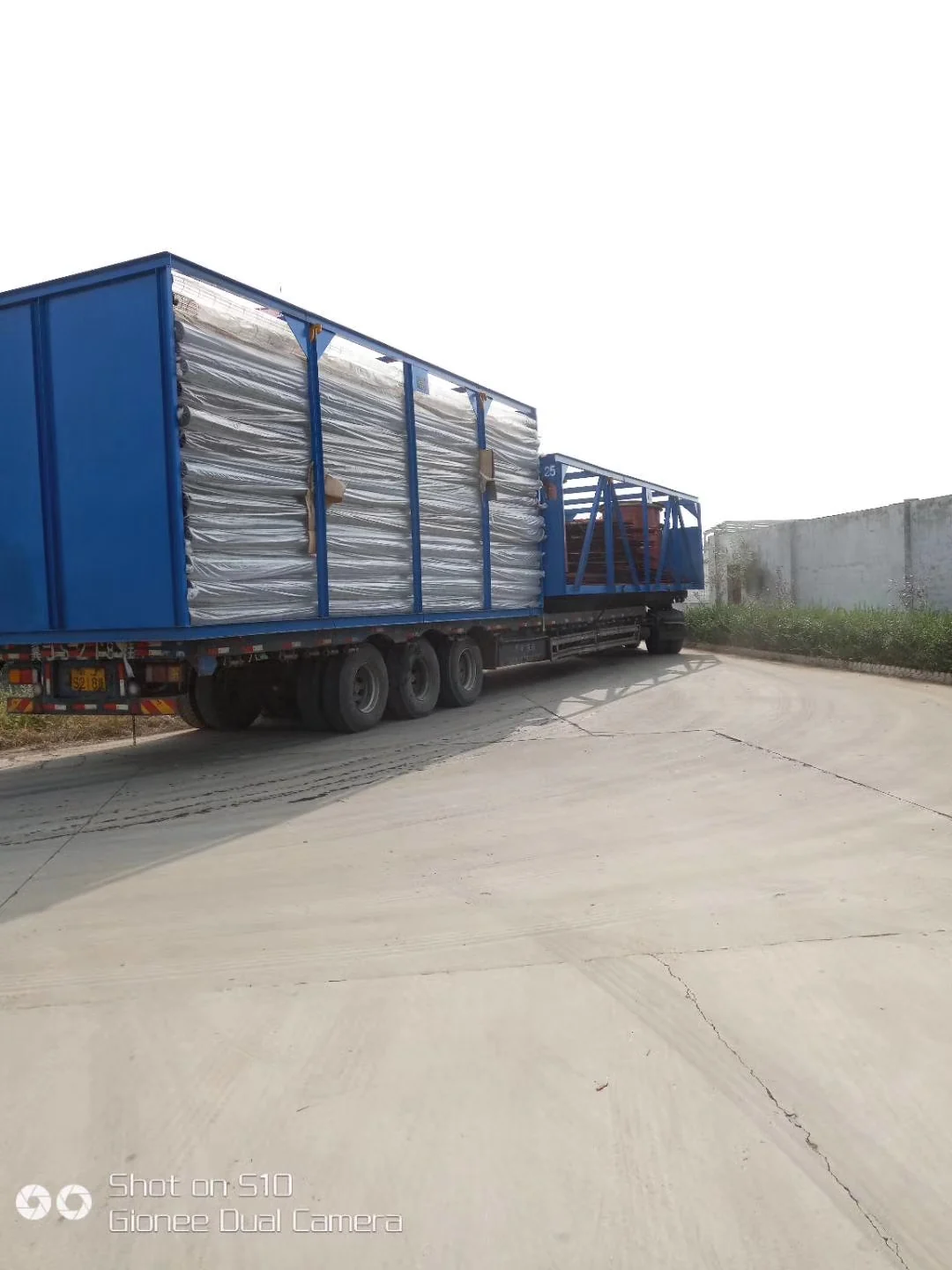
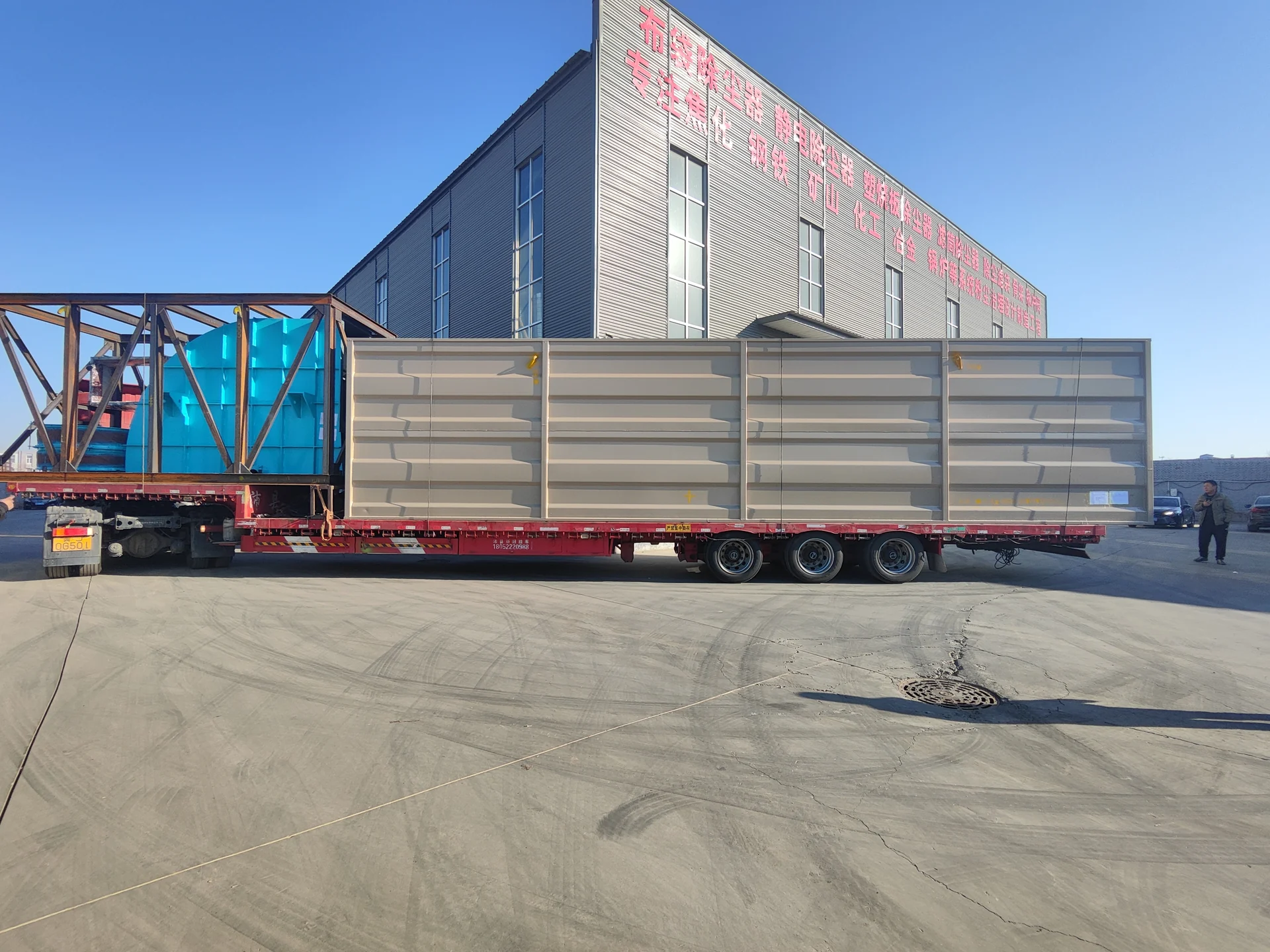
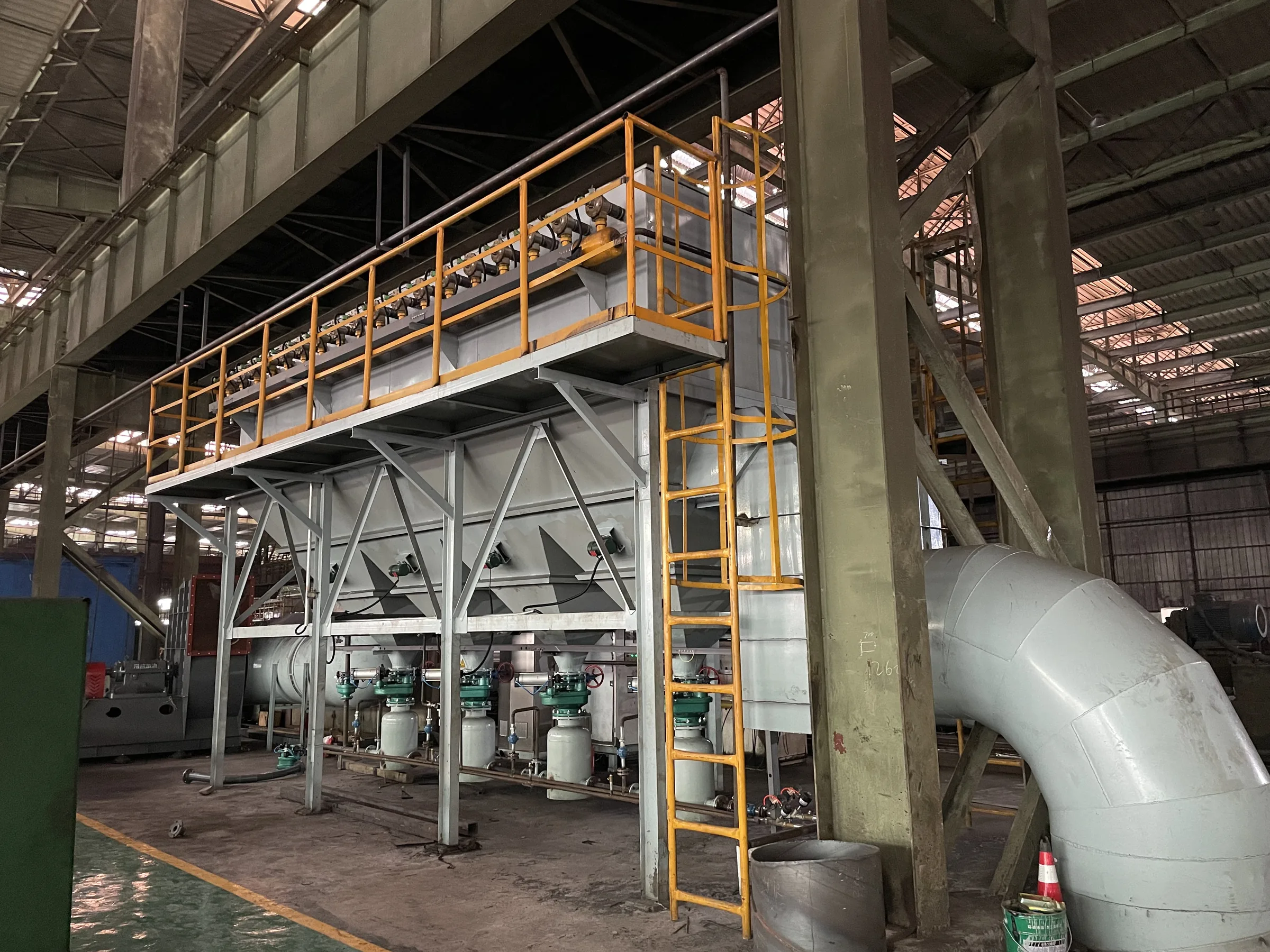
Independently rewritten around the sealing topic in the user-specified Kuohai article, with technical context checked against EPA. The inspection and enquiry record is editorial guidance. Historical leakage-rate, material and performance claims are not adopted as specifications for this project. Images are existing equipment references, not leak-test evidence. Sources reviewed on 28 October 2026.
- [1] Hebei Kuohai — Pulse dust collector sealing performance (19 April 2019)
- [2] US EPA — Monitoring by Control Technique: Fabric Filters
Related equipment: Pulse jet baghouse dust collectors · Dust collector filter bags
Use this guide to prepare for an equipment discussion. Confirm selection and operating requirements against your actual process and site conditions.