
Published · Kuohai Editorial
Identify what is actually blocked
Donaldson identifies dust properties, hopper geometry, discharge-valve condition and moisture as contributors to bridging [2]. Start by recording where material stops leaving the system and what evidence supports that location. An alarm or reduced discharge is a symptom; it is not enough to prove a specific internal blockage without further assessment.
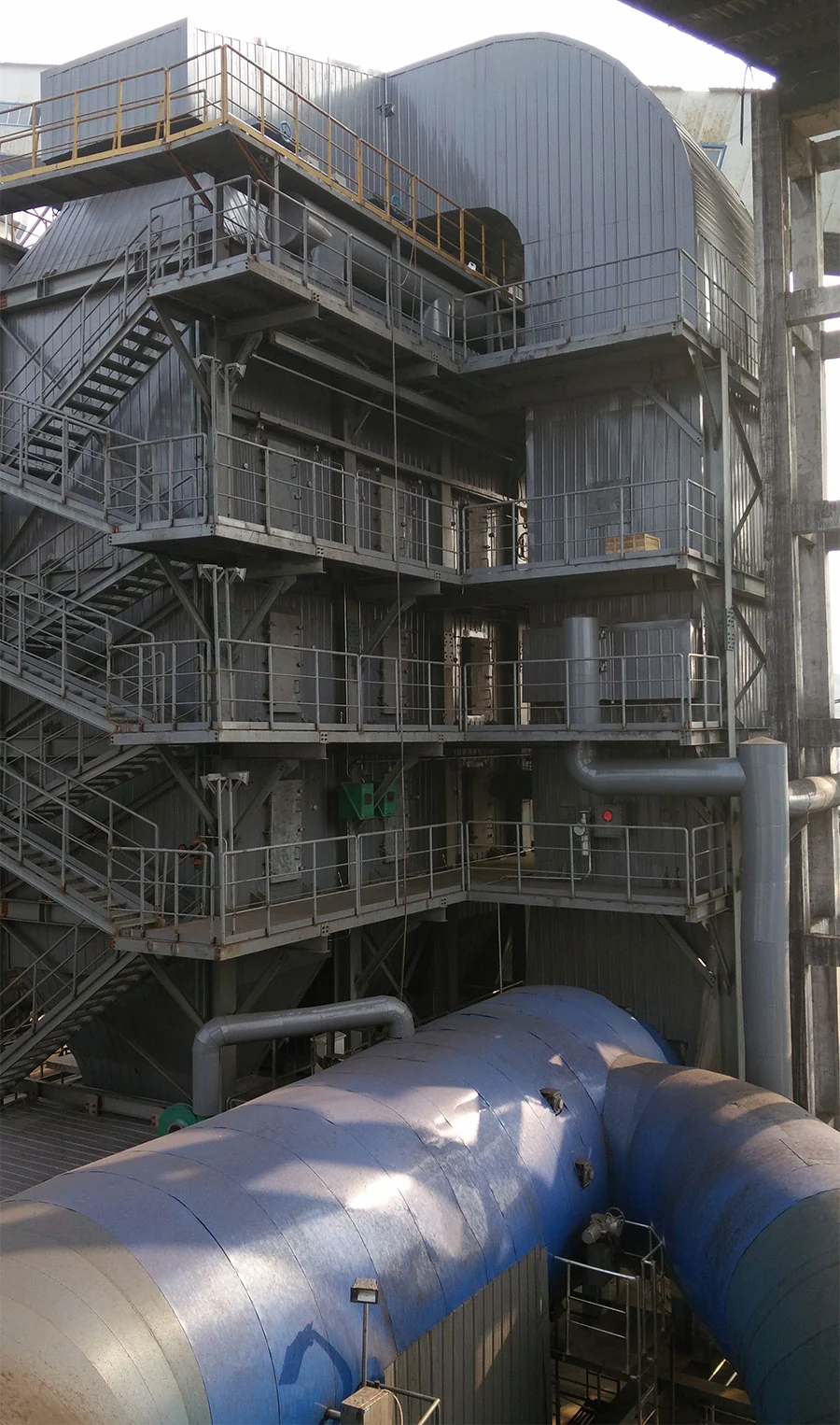
Describe the material and event
For each event, record the product, available material information, production state, recent cleaning activity and observed moisture. State whether the condition was continuous or followed a temporary surge. Keep inspection records within the site’s authorized maintenance process; do not turn this checklist into instructions for opening or striking a loaded hopper.
Review downstream equipment with the hopper
Ask the supplier to evaluate the outlet, connected discharge device and receiving equipment together. Include actual drawings, operating records and maintenance history. Request the basis for any change in opening, wall treatment or flow assistance. Do not select a universal wall angle or vibrator merely because a similar-looking collector uses one.
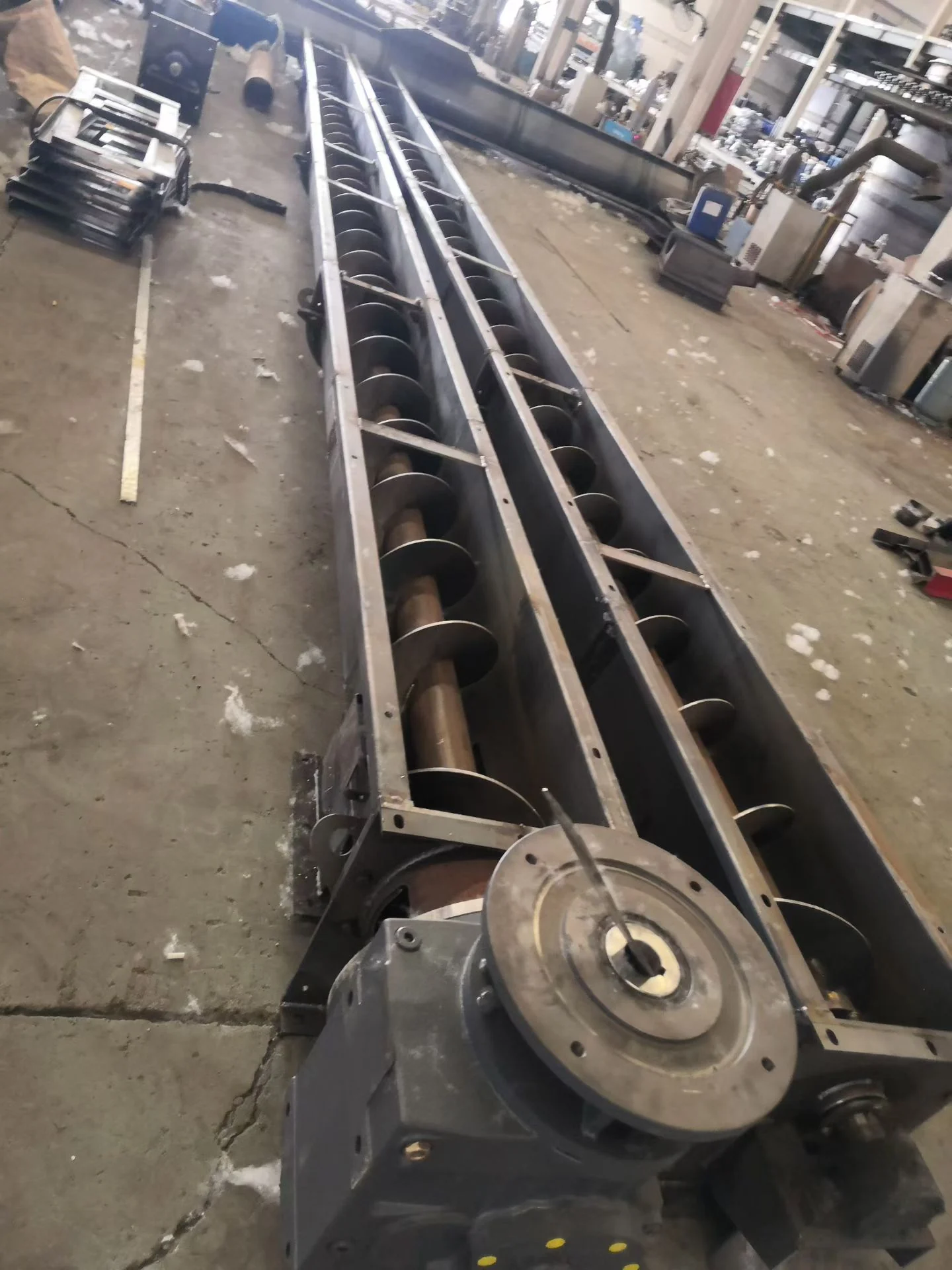
Define how a proposed change will be checked
Agree the production cases and observation period used to assess the result. Keep a record of discharge interruptions and confirmed corrective work. The broader performance theme in the Kuohai archive [1] is useful here: a successful filter selection still needs a documented material-handling arrangement. Equipment changes require their own design approval.
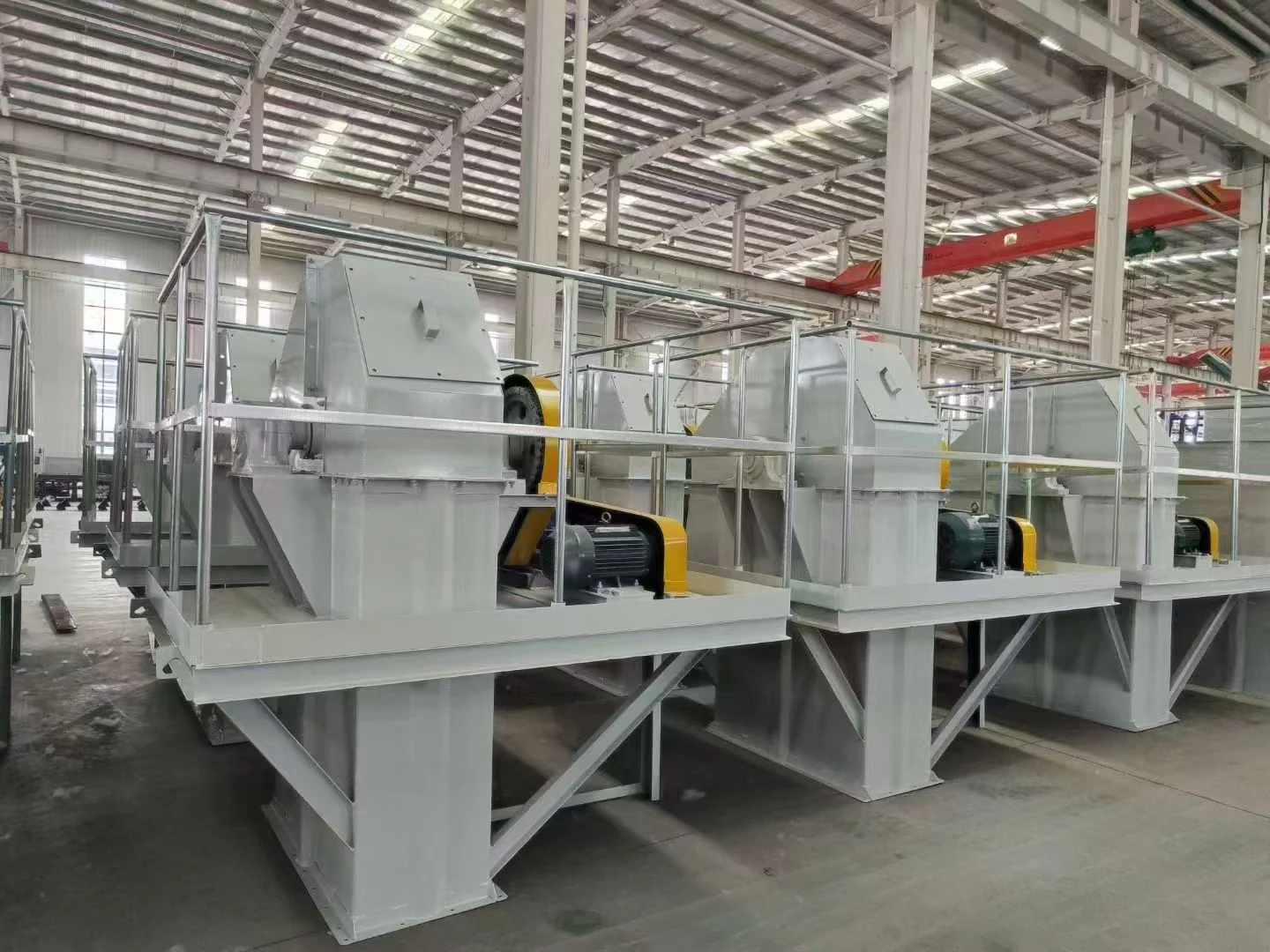
FAQ: Is a hopper intended for routine dust storage?
Donaldson distinguishes normal discharge from temporary dust surges [2]. Confirm the permitted operating arrangement for the actual collector.
FAQ: Is a larger valve always the answer?
No. Request an assessment of the material, hopper and full downstream path before choosing a component change.
Technical sources and editorial note
Independently written guide. Technical background is attributed above; the proposed review and record-keeping steps are editorial recommendations. Photographs are contextual equipment examples. Sources reviewed 4 November 2026.
- [1] Kuohai — Assessing dust collector performance (24 September 2023)
- [2] Donaldson — Steps to Avoid Bridging in Dust Collector Hoppers
Related equipment: Pulse jet baghouse dust collectors · Dust collector filter bags
Use this guide to prepare for an equipment discussion. Confirm selection and operating requirements against your actual process and site conditions.