
Published · Kuohai Editorial
Main point
A hood proposal starts with how and where the process releases dust. Record material movement and operator access before discussing a connection diameter or a fan model.
Information to record
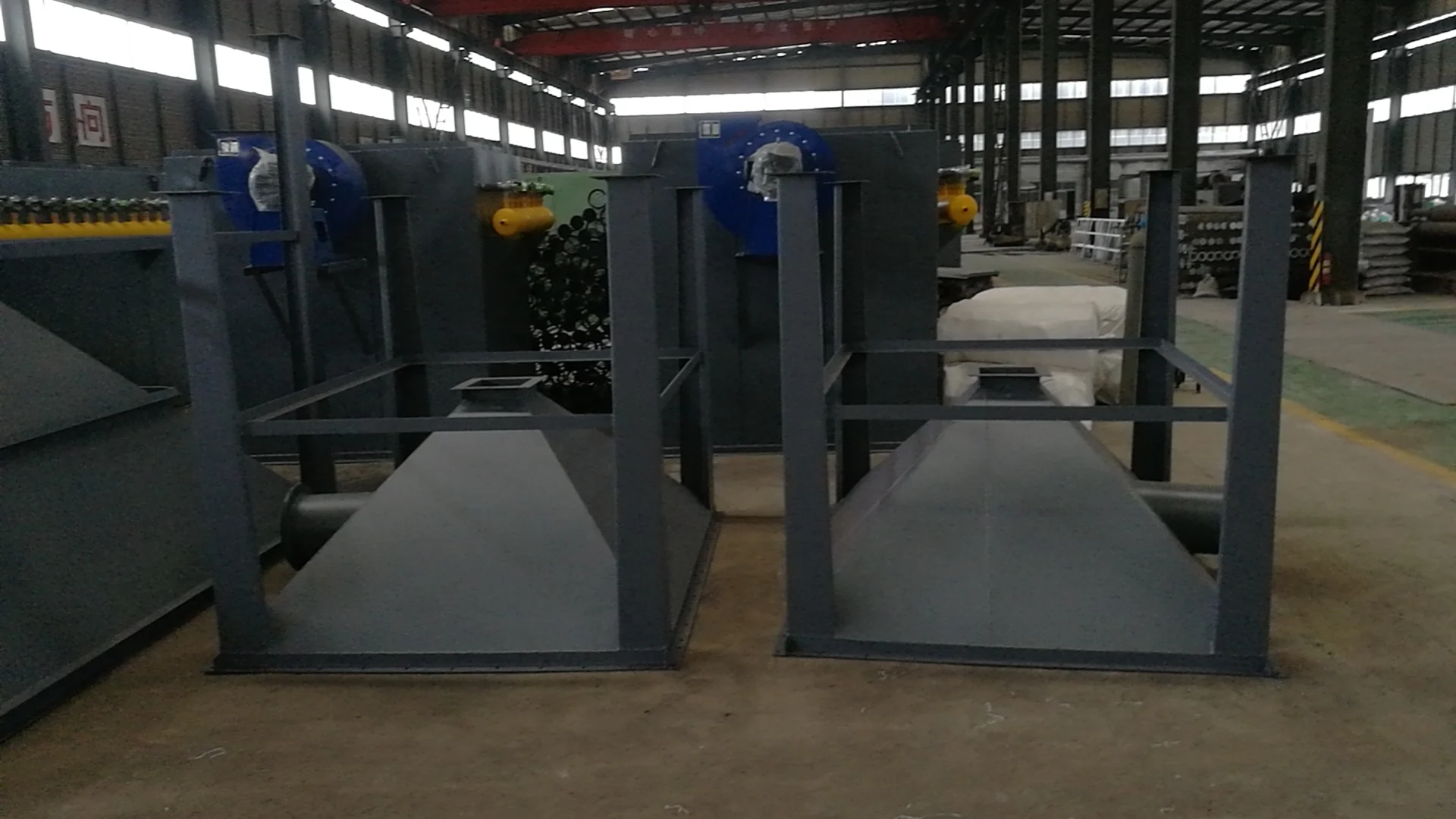
Prepare a sketch with the release point, enclosure openings, nearby doors, material transfer and access requirements. Note which machines operate together. Photographs should identify the production state and viewing direction so the designer can interpret what the image shows.
Review and acceptance
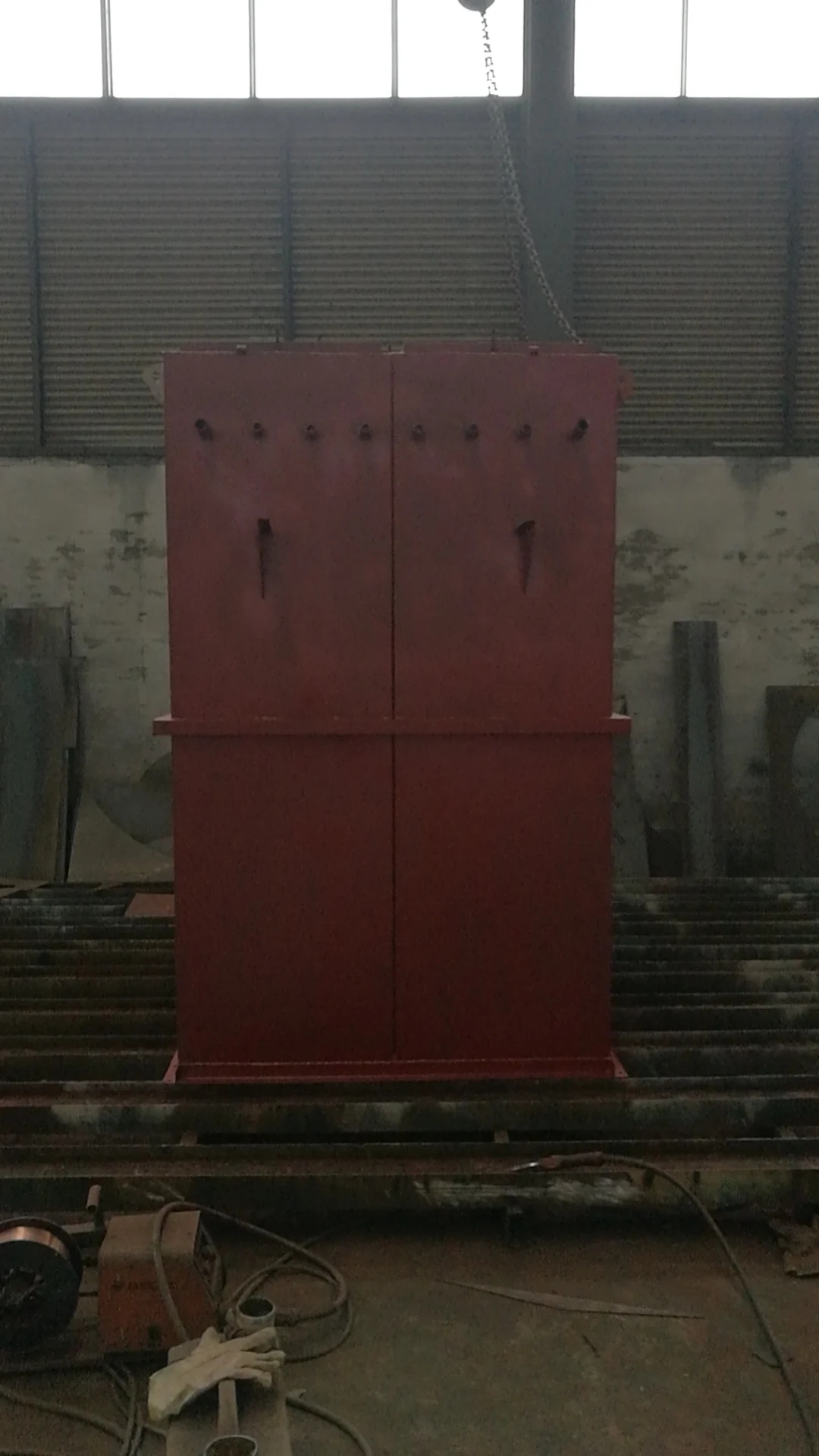
Ask the extraction designer to define the proposed hood boundary, airflow basis and means of verification. Resolve conflicts with loading, observation and maintenance tasks before fabrication. Keep the accepted layout and commissioning observations together for later process changes.

FAQ: Is collector airflow the same as airflow at every hood?
No. Identify branch requirements and the intended combination of operating sources.
FAQ: Can a photograph replace a dimensioned survey?
Use photographs to support a drawing with dimensions and operating information.
Technical sources and editorial note
Independently written from the archived topic in [1], with related engineering context checked against [2]. The survey, purchasing and review steps are editorial guidance; project-specific requirements need confirmation. Existing photographs are equipment references. Editorial review updated 1 November 2026.
Related equipment: Pulse jet baghouse dust collectors · Dust collector filter bags
Use this guide to prepare for an equipment discussion. Confirm selection and operating requirements against your actual process and site conditions.