
Published · Kuohai Editorial
Main point
Particle-size information is useful only when the sample represents the process being assessed. A sample taken from settled floor dust should not automatically be treated as the airborne dust entering a collector.
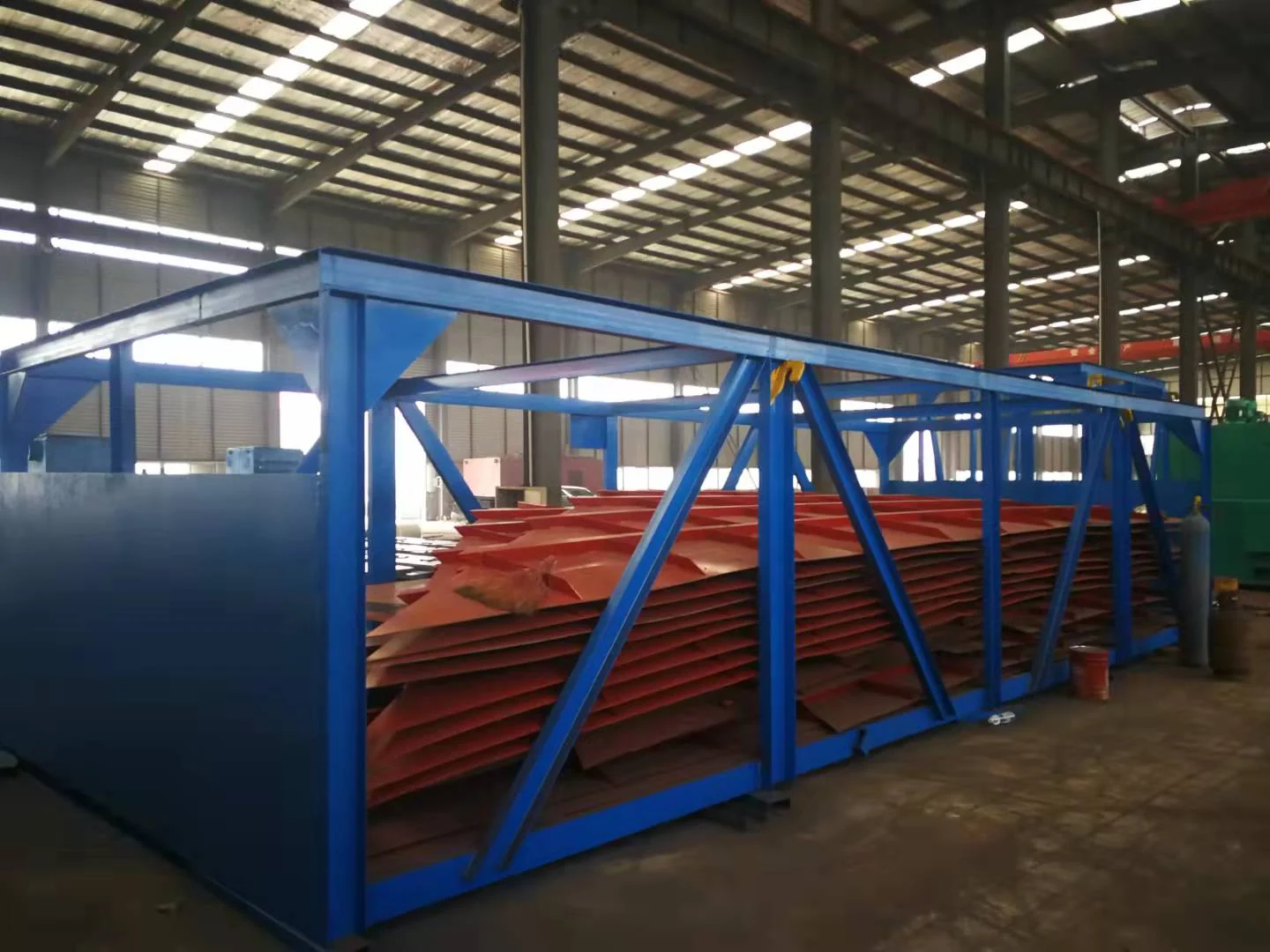
Information to record
Record sampling location, production material, process stage, date and collection method. Request the laboratory method, reported distribution and any preparation that may have changed the sample. Distinguish one typical result from evidence covering multiple materials or production conditions.
Review and acceptance
Give the supplier the full report rather than a single particle-size number. Ask which part of the distribution influences its proposal and what uncertainty remains. Use additional sampling where the project team identifies an important unrepresented operating case.
FAQ: Is one average size a complete dust specification?
No. Include the distribution, sampling context and other relevant material properties.
FAQ: Can a supplier assume an unknown distribution?
Any preliminary assumption should be identified and confirmed before a project-specific performance commitment.
Technical sources and editorial note
Independently written from the archived topic in [1], with related engineering context checked against [2]. The survey, purchasing and review steps are editorial guidance; project-specific requirements need confirmation. Existing photographs are equipment references. Editorial review updated 1 November 2026.
Related equipment: Pulse jet baghouse dust collectors · Dust collector filter bags
Use this guide to prepare for an equipment discussion. Confirm selection and operating requirements against your actual process and site conditions.