
Published · Kuohai Editorial
Start with the installed connections
A selected fan curve does not describe every possible installation. AMCA explains that disturbed flow near a fan inlet or outlet can reduce system performance [2]. The Kuohai archive treats matching the fan to the collector as a selection issue [1]; the practical next step is to compare the approved layout with the connections actually installed.
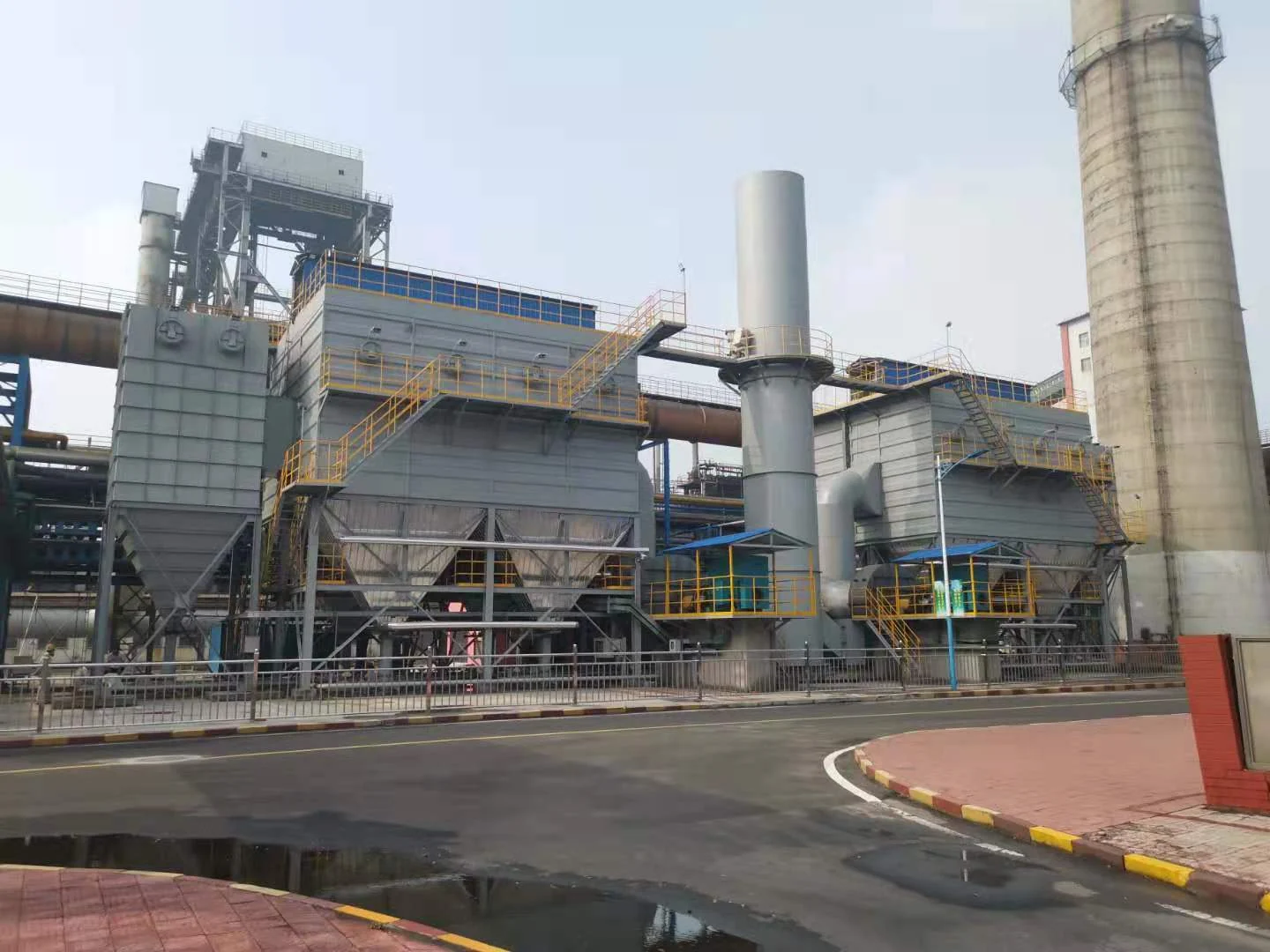
Document the whole transition
Prepare a dimensioned sketch from the last upstream fitting through the fan to the first downstream fittings. Mark elbows, transitions, dampers, obstructions and the direction of fan rotation. Include photographs from more than one angle. This is an evidence package for the responsible designer, not a rule that a particular elbow always requires replacement.
Separate a geometry question from a capacity question
Ask the supplier to identify the installation assumptions used for selection and whether the submitted arrangement needs a system-effect assessment. Keep proposed duct changes and proposed speed changes in separate quotation lines. Request the expected duty and motor review for each option rather than approving a larger drive solely because the observed airflow is low.
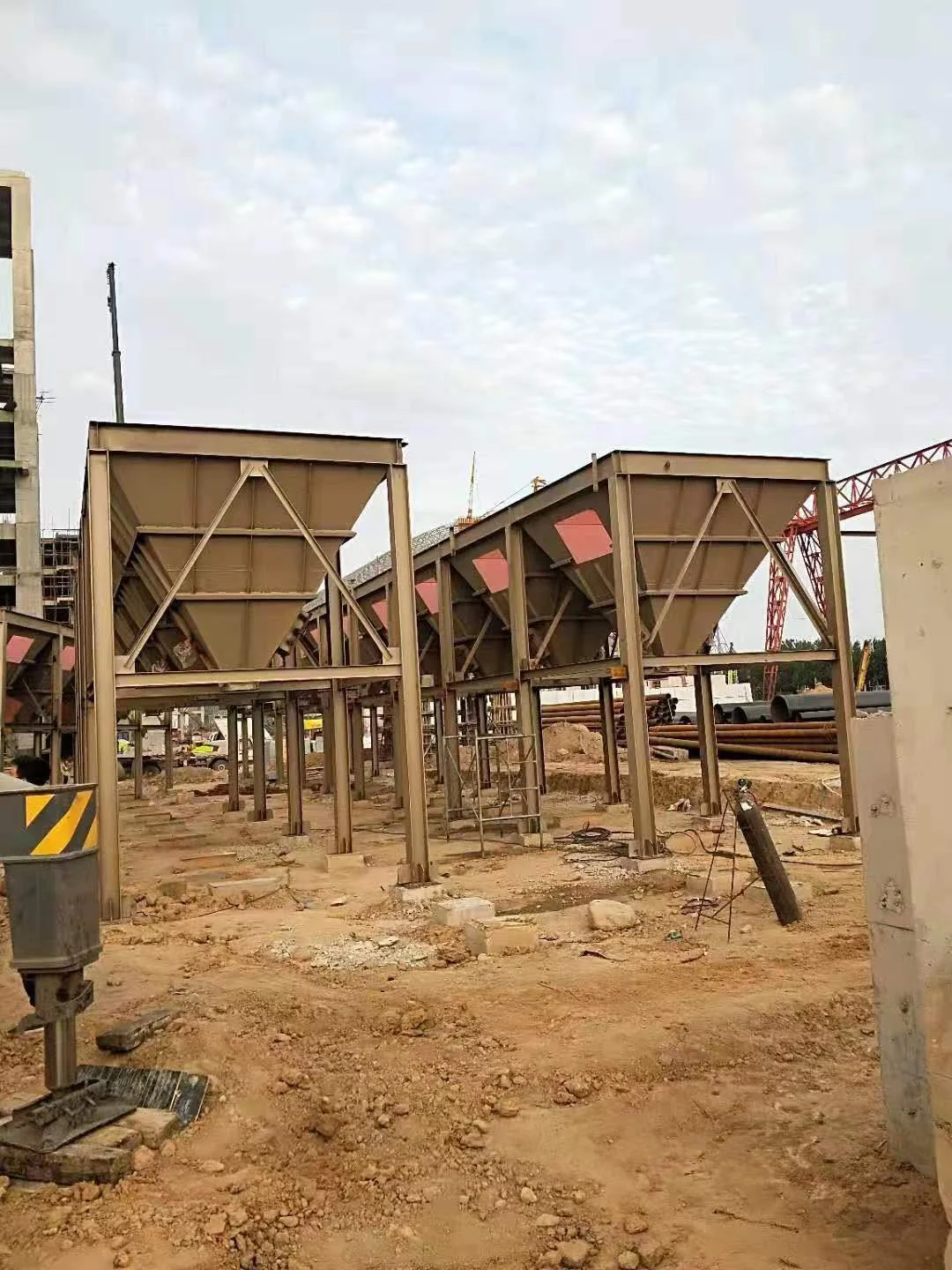
Compare the result under matched conditions
Before accepting a modification, agree which airflow, pressure, speed and production conditions will be recorded. Preserve the earlier drawing and observations, then identify the revision used for the comparison. A favorable result at one operating state does not establish performance across every production mode. Final dimensions and operating limits remain project-specific.
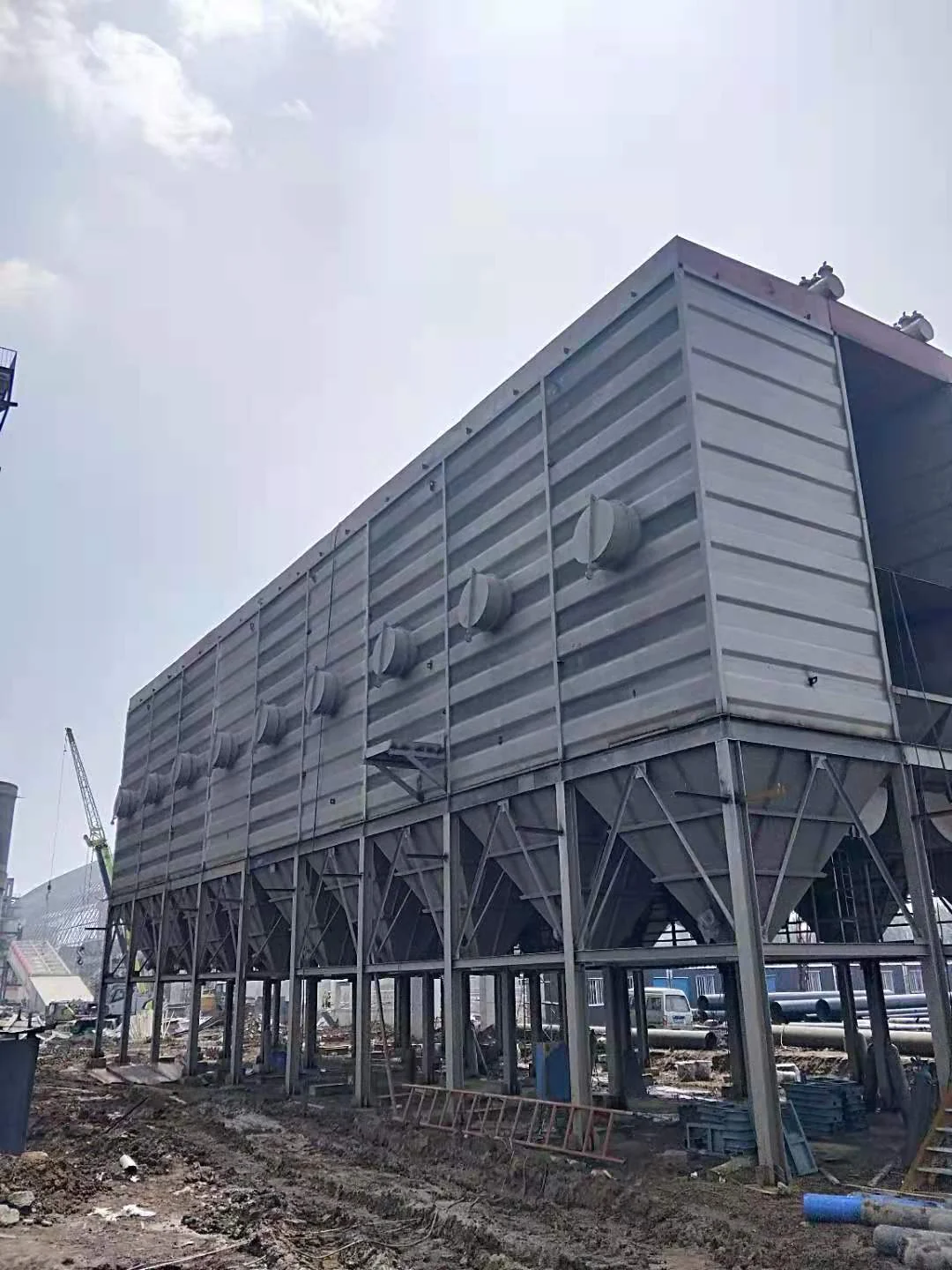
FAQ: Does a fan catalogue curve prove the field duty?
No. Confirm the installation and measurement basis with the supplier before comparing field results with a catalogue curve.
FAQ: Should speed always be increased first?
Do not assume that. Request a review of the connection geometry, required duty and drive limits before selecting the corrective action.
Technical sources and editorial note
Independently written guide. Technical background is attributed above; the proposed review and record-keeping steps are editorial recommendations. Photographs are contextual equipment examples. Sources reviewed 4 November 2026.
- [1] Kuohai — Fan selection for dust collectors (14 September 2023)
- [2] AMCA — Mitigating System Effect to Optimize Fan Performance and Efficiency
Related equipment: Pulse jet baghouse dust collectors · Dust collector filter bags
Use this guide to prepare for an equipment discussion. Confirm selection and operating requirements against your actual process and site conditions.