
Published · Kuohai Editorial
Start with the suspension drawing
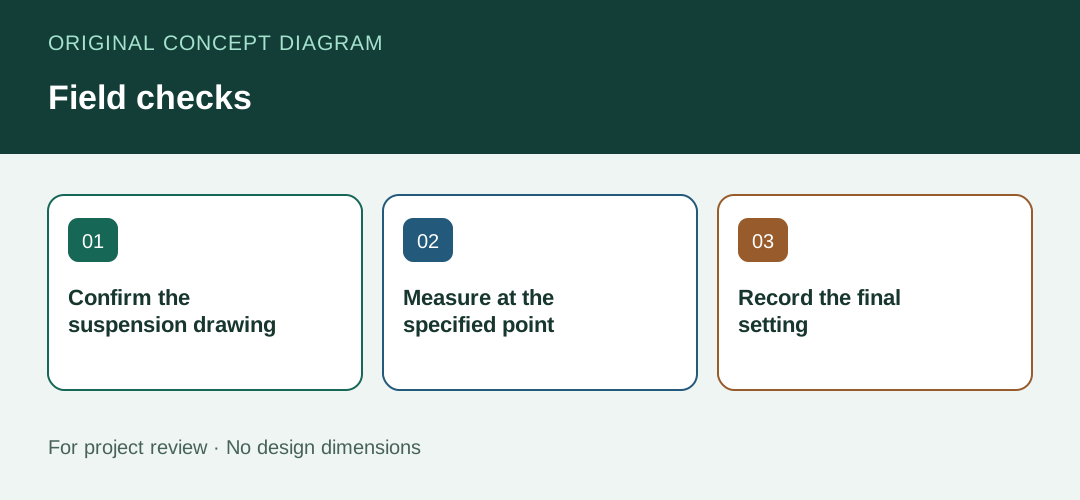
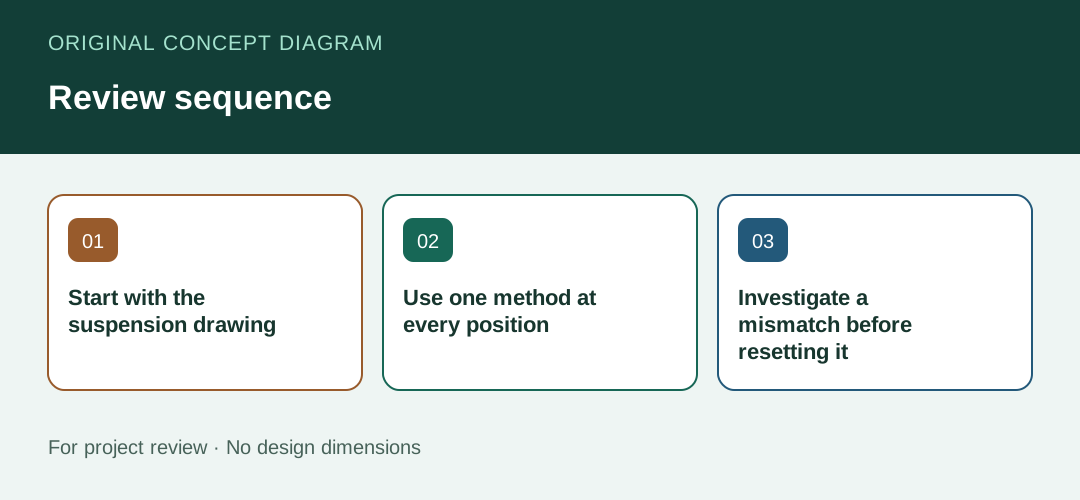
Reverse-air bags in a common design are suspended under tension and change shape during cleaning. Check the upper attachment, spring or hanger design and lower connection shown on the approved drawing. Record the bag length and the specified installed setting before work begins.
Use one method at every position
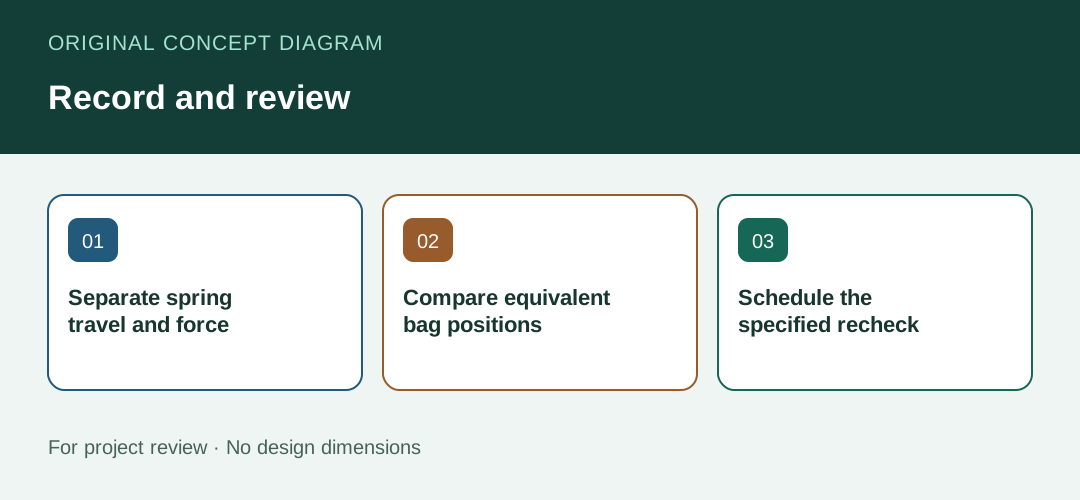
In the approved isolated state, use the equipment-specific measurement point and method. Note whether a reading represents spring travel, installed dimension or direct force. Compare like readings across positions and record exceptions with the bag and hanger identification.
Investigate a mismatch before resetting it
If a setting is out of range, verify the supplied bag length, attachment position and condition of the suspension hardware. Confirm the correct adjustment with the manufacturer. Keep the as-left setting and any scheduled recheck with the work record.
FAQ: Can I use the same setting for every model?
Use the approved value and measurement method for the specific suspension and bag design. Readings from another design may represent a different spring, reference length or attachment geometry.
Technical sources and editorial note
Diagrams illustrate review steps. Archive photos show the identified components or equipment exterior.
- US EPA · Air Pollution Control Cost Manual, Baghouses and Filters
- Kuohai archive · Filter bag installation considerations
Related equipment: Pulse jet baghouse dust collectors · Dust collector filter bags
Use this guide to prepare for an equipment discussion. Confirm selection and operating requirements against your actual process and site conditions.